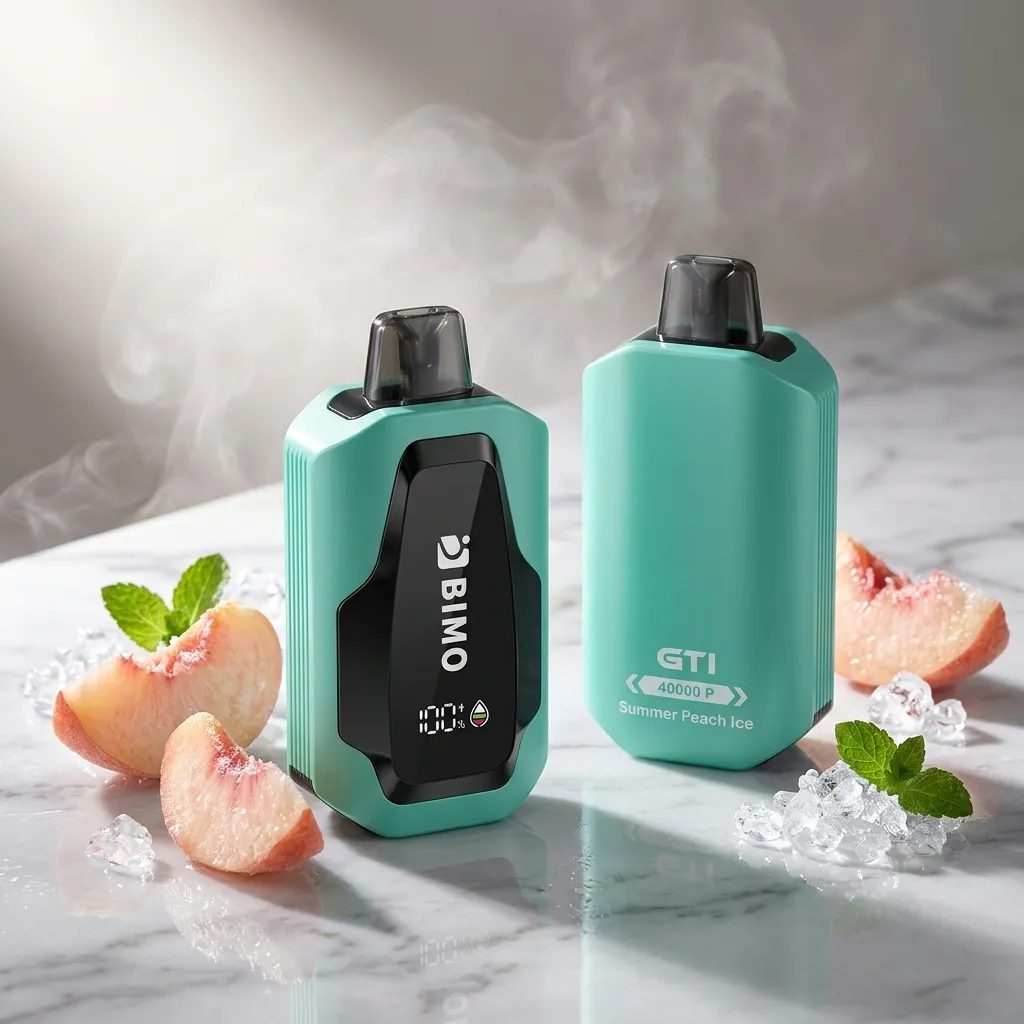
Opening a disposable vape like Alibarbar isn’t something most users plan to do — and in everyday use, it’s usually unnecessary. However, from my experience working with Australian vapers at Prime Vape Store, there are situations where users choose to open their device not to fix or modify it, but simply to inspect its condition, check for damage, or better understand what’s happening inside.
This guide is written for those moments. It focuses on how to open an Alibarbar vape safely and responsibly, strictly for inspection and educational purposes. We won’t cover repairs, refilling, recharging, or any form of DIY modification. Instead, the goal is to help you make informed decisions — whether that’s confirming a suspected issue, verifying build quality, or knowing when it’s safer to stop using the device altogether.
If you’re unsure whether opening your Alibarbar is the right step, this article will help you understand when it can be useful, when it’s best avoided, and how to approach it with safety in mind — especially within the Australian context, where battery safety and responsible disposal matter just as much as vaping itself.




Important Disclaimer Before You Start
Before opening an Alibarbar vape, it’s important to understand why this guide exists — and where its limits are.
This article is designed to help you inspect the condition of a disposable Alibarbar device, not to repair, recharge, refill, or extend its lifespan. Alibarbar vapes are manufactured as sealed, single-use devices, and any internal access is outside their intended design.
The reason caution matters is simple. Inside every Alibarbar are components that can become unsafe if mishandled — particularly the lithium-ion battery, which can overheat or fail if bent, punctured, or exposed to pressure. In addition, internal coils may retain heat after use, and residual e-liquid can irritate skin if touched directly.
There are also situations where opening the device is strongly discouraged. If your Alibarbar is still functioning normally, feels unusually hot, appears swollen, or is actively leaking, opening it may increase risk rather than provide clarity. In these cases, the safest option is to stop using the device and prepare it for responsible disposal.
Throughout this guide, the focus remains on visual inspection only. No part of the process involves altering components, attempting fixes, or restoring usability. If your goal goes beyond inspection, opening the device is unlikely to help — and in many cases, it’s safer to leave it sealed.

When Should You Consider Opening an Alibarbar?
In most cases, an Alibarbar vape is designed to be used as-is, without ever needing to see what’s inside. That said, from working with customers across Australia, there are a few specific situations where opening the device — carefully and for inspection only — can help users make a clearer decision about what to do next.
The key point here is intent. Opening an Alibarbar makes sense only when visual confirmation provides clarity, not when the goal is to fix, extend, or alter the device.
To Inspect for Damage or Leakage
If the outer shell shows cracks, deformation, or signs of moisture, opening the device can help confirm whether the issue is cosmetic or structural. A quick internal look may reveal displaced components or leaked e-liquid, making it easier to decide whether the device should be discontinued and disposed of safely.
At this stage, inspection should stop at observation. Any visible internal damage is a clear signal that the device is no longer safe to use.
To Verify Authenticity (Packaging vs Internal Build Differences)
Packaging checks usually provide enough information to confirm whether an Alibarbar is genuine. However, some users choose to go one step further when something doesn’t feel right — such as unusual weight, poor airflow, or inconsistent performance.
In these cases, internal inspection can act as a secondary reference point, allowing users to compare overall build quality and component alignment. It’s not a definitive test, but it can support or challenge initial impressions based on packaging alone.
To Check for E-Liquid Depletion When Indicators Aren’t Present
Not all Alibarbar models include visible indicators that show remaining e-liquid. When a device stops producing vapour without obvious warning, some users open it to confirm whether the vape has simply reached the end of its usable life.
This kind of inspection helps avoid unnecessary assumptions about defects or malfunctions, especially when the device has already delivered usage close to its expected lifespan.
To Understand Internal Components for Educational Purposes
For more experienced users, opening an Alibarbar can also be a way to better understand how disposable vapes are structured, without interacting with or altering any components. Seeing how the battery, coil, airflow path, and liquid chamber are arranged often provides useful context for future purchasing decisions.
In all of these scenarios, the goal remains the same: observe, not intervene. If inspection raises safety concerns, the safest next step is always responsible disposal rather than continued use.

What You’ll See Inside an Alibarbar (High-Level Overview)
If you decide to open an Alibarbar for inspection, knowing what you’re likely to see — before you see it — helps reduce unnecessary handling. Disposable vapes follow a fairly consistent internal layout, and Alibarbar devices are no exception.
This section provides a high-level visual overview only. It’s not meant to explain how the device works in detail or how individual parts perform. The purpose is to help you recognise each component so you can identify obvious issues without touching or adjusting anything.
Battery Unit (Li-ion Safety Notes)
The most prominent component inside an Alibarbar is the lithium-ion battery, typically running along the length of the device. It is sealed, lightweight, and designed to remain completely undisturbed.
During inspection, the battery should appear:
- Straight and securely positioned
- Free from dents, swelling, or exposed surfaces
Any sign of deformation or loose positioning is a strong indicator that the device should no longer be used.
Coil & Wick Assembly Layout
Near the airflow pathway, you’ll see the coil and wick assembly, which is responsible for vaporising e-liquid. In a disposable device, this assembly is compact and fixed in place.
At a high level, inspection here is limited to noting whether the assembly appears intact and correctly seated. There is no safe reason to touch, rotate, or adjust this component during inspection.
E-Liquid Chamber Position
The e-liquid chamber is usually located adjacent to the coil and wick, often appearing as a cotton-based reservoir. When inspecting, users typically look for:
- Uneven saturation
- Discolouration
- Signs of leakage outside the chamber
These visual cues can help explain changes in performance without requiring further action.
Airflow Pathway Structure
The airflow pathway connects the mouthpiece to the coil area, forming a simple channel through the device. During inspection, this pathway should appear clear and unobstructed, with no visible residue buildup or misalignment.
Understanding this layout helps users connect internal structure with external behaviour — such as draw resistance — without attempting to alter the device.
At this point, inspection should remain observational. Once you can clearly identify these components, the next step is understanding how to open the device carefully and with minimal risk, which we’ll cover next.
Step-by-Step Guide to Opening an Alibarbar Safely
If you’ve decided that opening your Alibarbar is necessary for inspection, the process should be approached with patience and restraint. Disposable vapes are not designed to be opened, so the safest method is always the one that involves the least amount of force and handling.
The steps below are intended to help you access the internal assembly gently, without disturbing or separating any components.
Step 1 – Prepare a Safe, Clean Workspace
Start by choosing a flat, stable surface with good lighting. A clean workspace makes it easier to see what’s happening inside the device and reduces the risk of accidental contact with internal parts.
Avoid working near:
- Heat sources
- Open flames
- Direct sunlight
If you suspect leakage, wearing disposable gloves can add an extra layer of protection.
Step 2 – Identify the End Cap for Entry
Most Alibarbar devices can only be accessed from one end, typically the mouthpiece side. The opposite end, where the battery base sits, should remain untouched.
Before applying any pressure, take a moment to identify where the outer casing separates. This helps prevent unnecessary twisting or bending.
Step 3 – Apply Minimal Pressure to Disengage the Cap
Using your fingers only, apply slow, even pressure to loosen the end cap. There should be no need for tools or force.
If the cap does not move easily, stop. Forcing the casing increases the risk of damaging internal components or the battery.
Step 4 – Slowly Slide Out the Internal Assembly
Once the cap is loosened, gently tilt the device and allow the internal assembly to slide out naturally. Let gravity do the work rather than pulling on any part of the assembly.
Throughout this step, avoid:
- Tugging on wires
- Separating components
- Rotating the assembly
The goal is access, not disassembly.
Step 5 – Inspect Without Pulling Components Apart
With the internal assembly visible, limit inspection to visual observation only. Look for obvious signs of damage, misalignment, or leakage, then stop.
At no point should individual components be removed, adjusted, or reinserted. If something appears damaged or unsafe, reassembling the device is not recommended.
Once inspection is complete, the next consideration is understanding the specific risks to avoid when opening a disposable vape — even when done carefully.

Safety Risks You Must Avoid When Opening a Disposable Vape
Even when a disposable vape is opened carefully and only for inspection, certain risks remain. Most issues don’t come from opening the device itself, but from what happens after curiosity takes over. Understanding these risks helps you recognise when to stop and why restraint matters.
Piercing or Bending the Battery
The lithium-ion battery inside an Alibarbar is the most sensitive component. Any bending, crushing, or piercing can cause internal damage that isn’t immediately visible.
During inspection, the battery should remain:
- Fully intact
- Straight and undisturbed
If the battery appears damaged or shifts out of position, the device should be considered unsafe and prepared for disposal.
Contact with E-Liquid Residue
Even when a vape appears dry from the outside, small amounts of e-liquid can remain inside the device. Direct skin contact may cause irritation, especially around the mouthpiece and liquid chamber.
For this reason:
- Avoid touching internal surfaces directly
- Wash your hands after inspection
- Keep the device away from food and drink areas
Exposing the Coil to Heat Sources
The coil may retain heat shortly after use, and exposing it to external heat sources increases the risk of damage or residue ignition. Inspection should always be done well away from flames, heaters, or electrical equipment.
Allow the device to cool fully before opening, even if it hasn’t been used for some time.
Trying to Reassemble a Damaged Unit
Once internal damage is visible, attempting to reassemble the device introduces more risk than benefit. Disposable vapes are not designed to be reopened and resealed safely.
If inspection reveals misaligned components, loose wiring, or leakage, the safest option is to stop using the device altogether and move toward responsible disposal rather than continued handling.
Understanding these risks helps frame opening an Alibarbar as a limited, one-time inspection step, not a starting point for further intervention. In some cases, internal inspection can also provide additional insight — such as confirming whether a device is genuine — which we’ll explore next.
Why Opening an Alibarbar Can Help Verify Authenticity
For most users, checking an Alibarbar’s packaging and purchase source is enough to confirm authenticity. However, in certain situations, internal inspection can provide additional context — especially when external indicators don’t fully match the user’s experience.
It’s important to view this step as supporting evidence, not definitive proof. Internal inspection helps clarify doubts, but it doesn’t replace established methods of authentication.
Build Quality Differences Between Genuine & Counterfeit Units
From my experience handling both genuine and counterfeit devices, one of the most noticeable differences lies in overall build consistency. Genuine Alibarbar vapes typically show:
- Clean internal alignment
- Securely positioned components
- Minimal excess material or residue
Counterfeit units, on the other hand, often reveal uneven placement or loosely fitted parts when viewed internally.
Manufacturing Consistency Indicators
Authentic devices are produced in controlled manufacturing environments, which usually results in a uniform internal layout across multiple units of the same model. When internal structures vary significantly between devices that should be identical, it can raise legitimate questions about origin.
This type of comparison is most useful for users who have handled more than one Alibarbar and are familiar with how a genuine unit typically looks inside.
When Internal Inspection Confirms a Fake
In some cases, internal inspection doesn’t just raise questions — it provides clarity. Poor insulation, inconsistent wiring, or visible shortcuts in assembly are strong indicators that a device may not meet genuine manufacturing standards.
When that happens, the safest course of action is to stop using the device and avoid further handling. For a more comprehensive approach to choosing verified products, guides like Which Alibarbar Vape Is Best for You? (Australia 2026 Buyer’s Guide) can help users make more confident purchasing decisions moving forward.
What You Should Not Do After Opening the Device
Opening an Alibarbar for inspection is a one-way decision. Once the internal components are exposed, the device should no longer be treated as something that can be returned to normal use.
To avoid unnecessary risk, there are a few actions that should be clearly off-limits after opening the device.
Do Not Attempt to Recharge a Non-Rechargeable Device
Some Alibarbar models are designed to be disposable, not rechargeable. Attempting to charge a device that wasn’t built for it can lead to battery stress or failure.
Even if the internal battery appears intact, recharging a non-rechargeable unit falls outside its intended design and introduces safety risks. For users looking for correct charging guidance, it’s best to refer to How to Recharge Your Alibarbar Vape: The Ultimate Guide to Safe and Effective Charging in 2026, which covers only models designed for that purpose.
Do Not Try to Refill the Liquid Chamber
The e-liquid chamber in a disposable vape is sealed during manufacturing. Once opened, it cannot be safely refilled or resealed.
Refilling may seem like a way to extend use, but it often results in leakage, inconsistent vapour production, or exposure to liquid residue. More importantly, it bypasses safety features built into the original design.
Do Not Attempt to Modify or Repair Components
Adjusting wiring, repositioning the coil, or trying to “fix” internal parts may appear harmless, but even small changes can compromise the device’s noted stability.
Disposable vapes are not engineered for modular repair. If inspection reveals damage or irregularities, the safest response is to stop using the device rather than attempting to correct the issue.
By setting these boundaries clearly, opening an Alibarbar remains a limited inspection step, not a gateway to continued use. Once inspection is complete, the next responsibility is understanding how to handle and dispose of the device properly.

Environmentally Responsible Disposal After Opening
Once an Alibarbar has been opened, it should be treated as end-of-life, regardless of how much e-liquid or battery capacity may appear to remain. At this stage, the priority shifts from inspection to safe and responsible disposal.
Disposable vapes contain both electronic and chemical components, which means they require more care than general household waste — particularly under Australian environmental and safety guidelines.
How to Handle the Battery Properly
After opening, avoid compressing, bending, or separating the battery from the rest of the device. Even if it appears undamaged, a lithium-ion battery can become unstable when exposed or mishandled.
Until disposal:
- Keep the device intact
- Store it away from heat and direct sunlight
- Place it in a non-flammable container if possible
These small steps help reduce the risk of leakage or battery failure before the device reaches a proper recycling point.
Safe Disposal Locations in Australia
Opened disposable vapes should be directed to facilities that handle e-waste or battery recycling. In Australia, suitable options often include:
- Dedicated e-waste drop-off points
- Battery recycling programs at participating retailers
- Local council waste services that accept small electronics
If you’re unsure where to go, checking your local council’s recycling guidelines is usually the safest starting point.
Why You Should Never Throw Opened Units in General Waste
Placing an opened vape in general rubbish increases the risk of:
- Battery damage during compaction
- Chemical leakage into landfill
- Potential fire hazards in waste processing facilities
Responsible disposal isn’t just about compliance — it’s about reducing preventable risk to people, infrastructure, and the environment.
With disposal addressed, most common concerns around opening an Alibarbar have been covered. The final step is answering a few frequently asked questions that users often raise before deciding whether to open a device at all.
FAQ
Is it safe to open an Alibarbar vape?
Opening an Alibarbar can be done relatively safely if it’s limited to visual inspection only and handled with care. However, it’s not something the device is designed for, and any form of internal access carries some level of risk. For this reason, opening should only be considered when inspection genuinely helps clarify a concern — not as a routine action.
Why do some users open their disposable vapes?
Most users who open disposable vapes do so to inspect for damage, check for leakage, or verify authenticity when something doesn’t feel right. Others may be curious about how the device is structured. In all cases, the intent is usually observation rather than repair.
Can opening a vape cause it to leak or break?
Yes. Applying too much force, mishandling internal components, or disturbing seals can cause leakage or structural damage. Even careful opening can make a device unsuitable for continued use, which is why inspection should be brief and limited.
How do I know if my Alibarbar is real by looking inside?
Internal inspection can sometimes reveal build quality inconsistencies, such as loose wiring or uneven assembly, which may raise concerns about authenticity. That said, internal appearance alone is not definitive. It works best as a supporting check, alongside packaging verification and purchase source.
Should I reuse any parts after opening?
No. Once a disposable vape has been opened, none of its components are intended to be reused. For safety reasons, opened devices should be treated as end-of-life and disposed of responsibly rather than reassembled or repurposed.
Expert Summary From Elias – When Opening Helps & When It’s Best to Avoid It
From my experience working with Australian vapers, opening an Alibarbar vape can be useful in very limited situations — but it’s rarely necessary, and it’s never something to do casually.
Opening the device can help when your goal is clarity, such as confirming visible damage, understanding why a vape has stopped performing, or supporting authenticity checks when other indicators don’t line up. In these cases, a careful, inspection-only approach can help you decide whether it’s safer to stop using the device altogether.
Where opening becomes a poor choice is when it’s driven by frustration or the hope of extending the device’s life. Disposable vapes are not built to be repaired, refilled, or modified, and attempting to do so often creates more risk than value — particularly when batteries and liquid exposure are involved.
If you’re ever unsure, the safest rule is simple: if inspection doesn’t immediately answer your question, opening the device further won’t either. At that point, responsible disposal and choosing a new device that suits your needs is usually the better option.
For users looking to make more confident choices moving forward, guides like Which Alibarbar Vape Is Best for You? (Australia 2026 Buyer’s Guide) and Best Alibarbar Vapes for Beginners in Australia (2026 Guide) can provide practical direction without the need to open a device at all.