
WARNING: This product is for adults aged 18 and over only. Age verification is required at checkout. Delivery within Australia only.
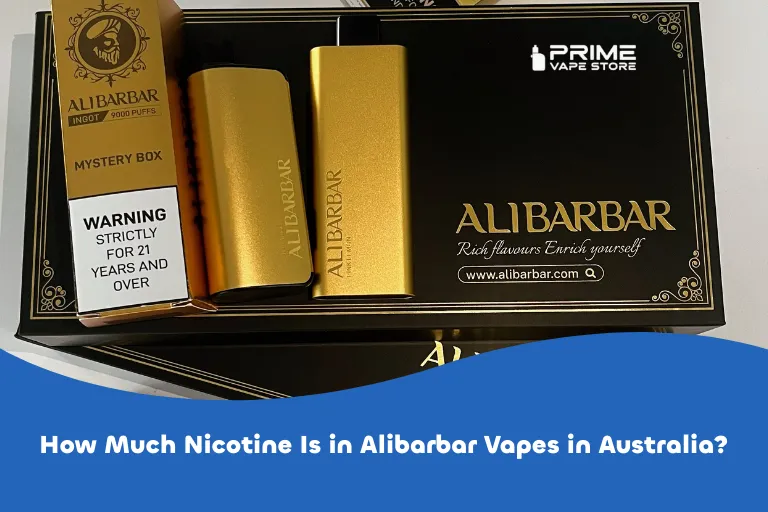
How much nicotine is in Alibarbar vapes in Australia? Alibarbar disposable vapes typically contain 5% nicotine salt, which is equivalent to 50 mg/mL of nicotine — a concentration commonly used in disposable vapes supplied under Australia’s Personal Importation Scheme. This level is designed to provide a consistent nicotine experience rather than rapid spikes, but the actual strength you feel can vary depending on factors such as airflow design, coil performance, and individual puffing behaviour.
Because nicotine use in vaping products is tightly regulated in Australia, understanding both the numeric concentration (5% / 50 mg/mL) and how nicotine is delivered and perceived is essential. In this 2026 medical guide, we explain how nicotine in Alibarbar vapes works from a scientific and regulatory perspective — helping Australian users understand not only how much nicotine is present, but why it may feel stronger or milder than expected.

$69.99 Original price was: $69.99.$59.99Current price is: $59.99.
Table of Contents
ToggleAlibarbar disposable vapes in Australia typically contain 5% nicotine (50 mg/mL) in nicotine salt form. While this concentration is consistent, how strong it feels depends on nicotine delivery, including coil design, airflow tightness, and how you vape — not just the nicotine number itself.
To properly understand how nicotine works in disposable vapes like Alibarbar, it’s important to separate scientific definitions from everyday vaping experience. In medical terms, nicotine exposure is measured by concentration, absorption rate, and duration in the body — not just by how “strong” a vape feels. This distinction is especially relevant for Australian users, where nicotine content and delivery are closely regulated and often misunderstood.
When a vape is labelled as containing 5% nicotine (50 mg/mL), this refers to the concentration of nicotine in the e-liquid, not the amount delivered in a single puff. In disposable vapes, nicotine is typically present in nicotine salt form, which allows higher concentrations to be inhaled more smoothly compared to traditional freebase nicotine.
From a medical perspective, this means nicotine strength describes potential availability, not guaranteed intake. The actual amount absorbed by the body varies based on how vapour is produced and inhaled.
Nicotine strength and nicotine delivery are often confused, but they are not interchangeable. Nicotine delivery refers to how efficiently nicotine is aerosolised, inhaled, and absorbed into the bloodstream.
In disposable devices like Alibarbar, factors such as mesh coil design and airflow restriction influence how much vapour is produced per puff and how concentrated that vapour feels. Two vapes with the same nicotine strength can deliver noticeably different sensations depending on how consistently the coil heats and how tight or loose the airflow is.
This is why some users report that a vape “feels stronger” or “lighter” even when the nicotine concentration is unchanged.
Nicotine from cigarettes and nicotine from disposable vapes enter the body differently. Cigarettes typically produce a rapid nicotine spike, reaching the brain within seconds due to combustion and deep inhalation. Disposable vapes, by contrast, tend to deliver nicotine more gradually and evenly, resulting in a smoother sensation rather than an immediate hit.
For many users, this difference explains why vaping may feel less intense initially, yet still maintain nicotine levels over time. From a medical standpoint, this slower delivery curve affects both perceived strength and user behaviour, rather than indicating a higher or lower nicotine concentration.

In Australia, nicotine is regulated as a prescription-only substance, which directly affects how nicotine-containing vaping products are accessed, labelled, and used. Unlike many other countries where nicotine strength is treated primarily as a consumer preference, Australian regulations are shaped by medical risk management, particularly around nicotine dependence and misuse.
For Alibarbar users, this means nicotine levels are not just a product feature — they are a regulated health consideration.
Australian health authorities regulate nicotine based on its addictive potential rather than the device itself. From a medical standpoint, higher nicotine concentrations increase the risk of dependence, especially when delivery is smooth and easy to inhale, as is common with nicotine salt disposables.
This is why Australian regulations focus on controlling access to nicotine, rather than banning specific vape brands or device formats. The goal is to limit unintentional overexposure while allowing regulated access for adults under medical oversight.
Under current TGA guidance, nicotine-containing vapes can only be legally accessed in Australia with a valid prescription. Most users encounter this framework through the Personal Importation Scheme, which allows prescribed individuals to import nicotine products for personal use.
From a user perspective, the key point is that nicotine strength is treated as a medical variable, not just a lifestyle choice. This is why nicotine concentration, consistency, and labelling matter more in Australia than in less regulated markets.
For Alibarbar users, Australian nicotine regulations mean that compliance and awareness are essential. Using nicotine-containing disposables without understanding the regulatory context may expose users to legal and health-related risks.
More importantly, these rules reinforce why users should pay attention not only to how much nicotine is listed, but also to how nicotine is delivered and felt. A regulated environment assumes that nicotine strength has real physiological consequences, even when the experience feels smooth or controlled.
For a broader overview of how Alibarbar devices fit within Australia’s regulatory landscape, you can also refer to Everything You Need to Know About Alibarbar Vape in Australia (2026): Models, Features, and Compliance.
$69.99 Original price was: $69.99.$59.99Current price is: $59.99.
When discussing nicotine levels in Alibarbar vapes, it’s important to look at the broader context of disposable vapes used in Australia, rather than focusing on individual products. From a medical perspective, nicotine concentration is managed within defined ranges to balance effectiveness, user tolerance, and safety — especially in a tightly regulated market like Australia.
Most disposable vapes available to Australian users under prescription-based access fall within a narrow, standardised nicotine concentration range. This consistency exists to reduce unpredictable exposure and to help users avoid unintentionally increasing nicotine intake.
Rather than offering wide variation in strength, disposable vapes are generally formulated to deliver stable, repeatable nicotine doses, allowing users to experience predictable effects across different usage sessions.
From a medical standpoint, nicotine limits are designed to reduce several key risks. Higher concentrations can increase the likelihood of nicotine overload, particularly when delivery is smooth and inhalation feels effortless. Lower concentrations, on the other hand, may lead some users to compensate by vaping more frequently, which can also raise total nicotine exposure over time.
By keeping nicotine strength within defined limits, manufacturers aim to support controlled delivery, minimise acute side effects, and provide a more balanced experience that aligns with public health objectives in Australia.
Even within the same nicotine concentration range, the type of coil used in a disposable vape plays a significant role in how nicotine is perceived. Modern disposable devices often use mesh-based heating elements, which distribute heat more evenly and produce consistent vapour with each puff.
From a user’s perspective, this can make nicotine feel smoother and more stable rather than harsh or uneven. Medically, this means the sensation of nicotine may change without any change in concentration — reinforcing why nicotine strength alone does not fully explain the experience.

Many users assume that nicotine concentration alone determines how strong a disposable vape feels. In reality, the perceived strength of an Alibarbar vape is shaped by a combination of device design, usage behaviour, and sensory factors. Understanding these influences helps explain why two people can have very different experiences with the same nicotine level.
How a user inhales plays a major role in nicotine perception. Longer, slower draws typically produce more vapour per puff, increasing the amount of nicotine inhaled over time. Short, quick puffs, by contrast, may feel milder even when nicotine concentration remains unchanged.
From a behavioural perspective, this means perceived strength is partly influenced by puff rhythm and duration, not just the e-liquid itself.
Airflow controls how concentrated each puff feels. A tighter airflow produces denser vapour, which many users interpret as a stronger nicotine sensation. A looser airflow dilutes vapour with more air, often resulting in a smoother and lighter feel.
In disposable vapes like Alibarbar, airflow is pre-set by design, making it an important but often overlooked factor in how nicotine is delivered and experienced.
Consistent heating is essential for predictable nicotine delivery. When coil temperature remains stable, each puff delivers a similar amount of vapour, leading to a more even nicotine sensation. Fluctuations in temperature, on the other hand, can cause vapour output to vary, making nicotine feel stronger or weaker from one puff to the next.
From a user standpoint, stable temperature contributes to a controlled and repeatable experience, rather than sudden intensity changes.
Flavour plays a subtle but important role in nicotine perception. Cooling agents, menthol notes, or sharper flavour profiles can enhance throat sensation, making nicotine feel stronger without increasing concentration. Softer or sweeter flavours may mask throat hit, leading users to perceive the same nicotine level as milder.
Medically, this highlights that sensory cues can influence how nicotine is interpreted by the body, even when the underlying exposure remains the same.
$69.99 Original price was: $69.99.$59.99Current price is: $59.99.
For people who previously smoked cigarettes, the nicotine experience from a disposable vape like Alibarbar often feels noticeably different. This difference is not due to nicotine concentration alone, but to how nicotine is delivered, absorbed, and maintained in the body over time.
Cigarettes deliver nicotine through combustion, producing a rapid spike in blood nicotine levels within seconds of inhalation. This sharp rise is one reason cigarettes feel immediately satisfying but also highly reinforcing.
Disposable vapes, by contrast, tend to produce a more gradual nicotine curve. Nicotine is absorbed steadily across multiple puffs rather than in a single peak, resulting in a smoother onset that feels less abrupt than smoking.
Because nicotine delivery from disposables is more even, many users report that vaping requires more frequent, shorter sessions to maintain the same sense of nicotine stability they once associated with cigarettes.
From a medical perspective, this does not mean that vaping delivers more nicotine overall — rather, it reflects a different maintenance pattern, where satisfaction builds gradually instead of peaking quickly.
The transition from smoking to vaping often feels unfamiliar because the body responds differently to nicotine curves. Without the sharp spike produced by cigarettes, some users interpret the smoother delivery as “weaker,” even when nicotine exposure is similar over time.
Understanding this distinction helps explain why nicotine perception during vaping is influenced as much by delivery timing as by nicotine concentration itself.
Nicotine affects people differently depending on tolerance, usage patterns, and delivery method. Rather than focusing only on concentration numbers, recognising how your body responds can provide more meaningful insight into whether nicotine exposure feels appropriate or excessive.
When nicotine intake exceeds what the body is accustomed to, some users may notice short-term physical sensations. These can include lightheadedness or a sudden “head rush,” mild nausea, or a feeling of chest tightness.
From a medical perspective, these signals suggest acute nicotine overstimulation, which may occur even at standard concentrations if puff frequency or inhalation depth increases.
If nicotine exposure feels insufficient, users may unconsciously compensate by vaping more often or taking longer draws. This pattern, sometimes referred to as oversmoking behaviour, can reduce overall satisfaction and lead to inconsistent nicotine intake throughout the day.
In these cases, the issue is not necessarily nicotine concentration itself, but how delivery and usage patterns interact.
Without altering devices or nicotine levels, users can influence nicotine exposure through behavioural adjustments. Spacing out puffs, shortening draw duration, or being mindful of usage frequency can help moderate nicotine intake and reduce unwanted sensations.
These approaches focus on awareness and self-regulation rather than technical changes, aligning with medical recommendations for responsible nicotine use.

From a medical perspective, nicotine is a pharmacologically active substance that affects the nervous and cardiovascular systems. While individual tolerance varies, understanding potential risks is essential for responsible and informed decision-making, particularly in a regulated environment like Australia.
The risk of nicotine dependence is not the same for everyone. New or occasional users may be more sensitive to nicotine’s reinforcing effects, while former smokers often have an existing tolerance shaped by past exposure.
Medically, dependence risk is influenced by frequency of use, delivery smoothness, and behavioural patterns, rather than concentration alone. Even when nicotine feels mild, repeated exposure can still reinforce habitual use over time.
Disposable vapes that use nicotine salt formulations are designed to be smooth and easy to inhale. While this improves comfort, it can also reduce natural warning signs such as harsh throat sensation, making overuse easier without immediate discomfort.
From a clinical standpoint, this is why users may consume more nicotine than intended, especially during prolonged or habitual vaping sessions.
Medical guidance emphasises awareness and moderation rather than specific device instructions. Paying attention to physical signals, taking breaks between sessions, and avoiding continuous, unconscious use can help reduce unnecessary nicotine exposure.
These behavioural considerations support safer use practices without encouraging increased consumption or dependency.

Alibarbar vapes typically contain 5% nicotine (50 mg/mL) in nicotine salt form. While this is considered a higher concentration, the perceived strength varies depending on airflow, coil performance, and individual vaping behaviour rather than the number alone.
Nicotine sensation can change due to puff duration, frequency, and airflow, as well as temporary factors such as hydration, fatigue, or tolerance. These variations affect nicotine delivery and absorption, even when the nicotine concentration stays the same.
Yes, nicotine is the same chemical compound. However, cigarettes deliver nicotine through combustion, causing a rapid spike, while disposable vapes deliver nicotine more gradually, resulting in a smoother and more sustained sensation.
Nicotine is an addictive substance, and dependence can develop with repeated exposure. The risk depends on frequency of use, delivery smoothness, and individual susceptibility, rather than device brand alone.
Nicotine is typically metabolised within 24–72 hours, though its by-products may remain longer. How quickly nicotine leaves the body varies by metabolism, frequency of use, and overall health.
Nicotine levels in Alibarbar vapes are best understood as part of a broader system, not just a single number. While these devices commonly contain 5% nicotine (50 mg/mL), how nicotine is delivered, absorbed, and perceived depends on device design, user behaviour, and individual physiology.
In Australia’s tightly regulated environment, nicotine is treated as a medical and public-health consideration, not simply a preference. Understanding the difference between nicotine concentration and nicotine experience allows users to make more informed, responsible decisions — without relying on assumptions or oversimplified comparisons.
Medical content reviewed by Dr. Rachel Chen. Technical information verified by Elias Vance, Prime Vape Store.

Elias Vance is the lead author at Prime Vape Store, bringing over 10 years of vaping experience to every article. Known for his honest reviews and expert insights, Elias is passionate about helping Australian vapers make informed choices with authentic products and reliable advice.

$69.99 Original price was: $69.99.$59.99Current price is: $59.99.

$69.99 Original price was: $69.99.$59.99Current price is: $59.99.

$69.99 Original price was: $69.99.$59.99Current price is: $59.99.

$69.99 Original price was: $69.99.$54.99Current price is: $54.99.

We founded PRIME VAPE STORE to set a new standard of safety and responsibility in Australia’s vaping industry. We say “NO” to unregulated products. Our mission is to provide a safe, lawful shopping experience with products that have verified origins. Our commitment is transparency in every transaction and strict compliance with the 18+ age restriction.
Contact
POLICY
HELP CENTER

Search Your Products