In 2026, disposable vape side effects and health risks are becoming a major concern for adult vapers, concerned parents and smokers thinking about switching. Disposable vapes are more popular than ever, but a growing number of users are reporting unexpected physical symptoms after what feels like casual use.
Many people still don’t have clear, medically grounded information about what they are actually inhaling, how it affects the body in the short term, and what the potential long‑term risks might be. Understanding disposable vape side effects is crucial if you want to protect your health while making informed decisions.
This guide breaks down:
- What is really inside a disposable vape
- Short‑term symptoms you may notice in your mouth, lungs and heart
- Long‑term lung and cardiovascular risks we know about so far
- Vaping nicotine overdose symptoms and when to seek urgent help
- Practical harm‑reduction and safer‑use strategies
“E‑cigarettes are not risk‑free but are substantially less harmful than smoking.”
— Public Health England evidence review
If you need a broader introduction first, you can also read Disposable Vapes in Australia – Complete Guide (Flavours, Nicotine, Laws) and Are Disposable Vapes Safe? Facts & Myths for Adult Smokers in Australia (2026).
This article is written by Elias Vance, a vaping content specialist at Prime Vape Store. Over the past few years, I’ve tested hundreds of disposable vapes and spoken with many adult vapers about their real‑world side effects – from dry mouth and coughing through to palpitations and anxiety. While I’m not a doctor, I pay close attention to public health guidance so you can combine this information with advice from your own healthcare professional.
This guide is for adult smokers and vapers. It is not intended for non‑smokers or minors and does not replace professional medical or legal advice. If you are worried about your health, always speak with a qualified healthcare provider and follow local laws.
1. What Exactly Is in a Disposable Vape?
Base Ingredients: PG, VG and Flavourings
Understanding what is inside the device is the first step to understanding its side effects.
Most disposable vapes use e‑liquid made from:
- Propylene Glycol (PG) – a thin liquid that carries flavour and provides throat hit
- Vegetable Glycerin (VG) – a thicker liquid that produces dense vapour clouds
- Food‑grade flavourings – chemicals that create fruity, sweet, dessert or icy profiles
PG and VG are widely used in foods and cosmetics and are generally recognised as safe to ingest. But heating and inhaling them into the lungs is very different from eating them.
“There is growing evidence that the long-term inhalation of e‑cigarette aerosols can have adverse effects on the respiratory system.” — World Health Organization (WHO) technical report on electronic nicotine delivery systems
Artificial flavourings are the next major component. Thousands of different chemicals are used to achieve the flavours people enjoy. Some of these can irritate the airways when vaporised.
For example, if you want to understand complex flavour profiles better, you can read the Alibarbar Flavour Roulette Guide 2026: Decoding FTP, WTF & More. Knowing what you are inhaling makes it easier to avoid ingredients that may trigger sensitivities or allergies.
Nicotine Salts vs Freebase Nicotine
Almost all modern disposable vapes use nicotine salts rather than older freebase nicotine.
Nicotine salts are made by adding acids (such as benzoic acid) to freebase nicotine. This:
- Lowers the pH of the aerosol
- Makes high nicotine strengths (like 35–50 mg/mL) feel smoother on the throat
- Allows faster absorption into the bloodstream, similar to the spike from cigarettes
Because nic salts feel less harsh, it is easy to inhale large amounts of nicotine quickly without immediate discomfort. That is one reason why disposable vapes can feel more addictive than older, weaker devices.
Freebase nicotine, by contrast, is:
- Harsher at higher strengths
- Commonly used at lower levels in refillable devices
- Slower to absorb, often requiring more frequent or longer sessions to feel satisfied
Hidden Dangers and Counterfeit Devices
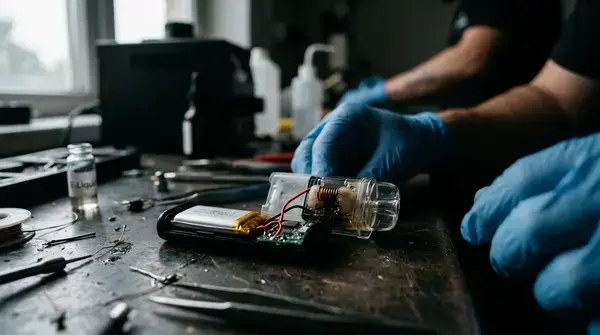
Not all disposable vapes are made under the same conditions. On the unregulated black market, counterfeit devices may contain:
- Untested chemicals and banned sweeteners
- Residues from poor manufacturing processes
- Incorrect nicotine strengths compared to what is printed on the box
Heavy metals are another risk. Low‑quality heating coils can degrade quickly and leach lead, nickel or other metals into vapour. These microscopic particles can then travel deep into the lung tissue.
If a device tastes metallic, burns unusually quickly or behaves inconsistently, that can be a sign of poor quality or a fake product.
For crucial safety information, make sure you have read the Important Notice Regarding Fake Websites & Scam Warning provided by your retailer or the brands you use.
2. Short‑Term Disposable Vape Side Effects
Short‑term disposable vape side effects are often the first signs that something is off. Some are relatively mild and manageable, while others should not be ignored.
Dehydration and Oral Health Issues
PG and VG are hygroscopic, meaning they draw moisture out of your tissues. Common short‑term effects include:
- Dry mouth and throat after just a few puffs
- A scratchy feeling when swallowing
- Temporary “vaper’s tongue” – where flavours suddenly taste flat or disappear
Prolonged dryness can:
- Create a friendlier environment for harmful mouth bacteria
- Increase the risk of bad breath, gum irritation and tooth decay
Staying hydrated and maintaining good oral hygiene (regular brushing, flossing and dental check‑ups) is essential if you vape often.

Common Respiratory Reactions
Inhaling aerosolised chemicals can irritate your airways, especially if you are new to vaping or using strong flavours.
Short‑term respiratory side effects can include:
- Mild coughing and throat irritation
- A scratchy or hoarse voice
- A persistent, dry cough after heavy sessions
- Feeling slightly short of breath after taking large or frequent puffs
Cooling agents (“ice” flavours) can also cause a temporary tightening of the vocal cords, making your voice sound different.
If coughing or shortness of breath is severe or does not settle with rest, you should stop using the device and talk to a healthcare professional.
Nicotine‑Induced Physical Effects
Taking in too much nicotine too quickly – especially with high‑strength disposables – can cause “nic sick” symptoms:
- Sudden dizziness or lightheadedness
- Intense headache
- Nausea or vomiting
- Cold sweats and feeling shaky
- Resting heart rate that feels faster or more forceful than usual
“Nicotine is a highly addictive substance that can increase heart rate and blood pressure and has adverse effects on cardiovascular health.” — World Health Organization (WHO)
If you feel this way:
- Put the device down immediately.
- Sit or lie somewhere cool and calm.
- Drink some water.
- Once you feel better, consider using a lower nicotine strength or taking smaller, less frequent puffs.
If you experience chest pain, severe shortness of breath or collapse, seek emergency medical help immediately.
3. Long‑Term Health Risks: Lung, Heart and Mind
Because disposable vapes are still relatively new compared to cigarettes, we do not yet have decades of long‑term data. But evidence is growing, and certain risks are becoming clearer.
Cardiovascular Impact and Heart Strain
Nicotine is a stimulant that:
- Raises heart rate and blood pressure temporarily
- Constricts blood vessels, making it harder for blood to flow smoothly
Over time, repeated high‑dose exposure can contribute to:
- Increased risk of hypertension (high blood pressure)
- Additional strain on the heart muscle
“Use of nicotine-containing products can increase the risk of cardiovascular disease, particularly in people with existing heart conditions.” — Adapted from Australian Department of Health and Aged Care guidance
Regular heavy use of high‑nicotine disposables keeps your cardiovascular system under near‑constant stimulation. Reducing nicotine strength, frequency of use, or ideally quitting altogether can help reduce these risks.
Lung Health and Respiratory Complications
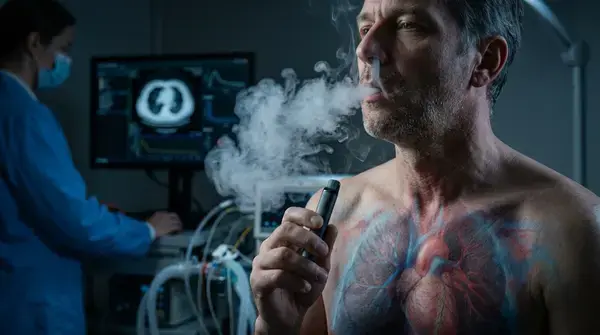
The lungs are not designed to handle hot aerosol several hundred times a day.
Concerns include:
- Chronic bronchitis‑like symptoms (chronic cough, mucus, wheeze)
- Irritation and inflammation of the airways
Regulators and researchers have also been tracking EVALI (E‑cigarette or Vaping Use‑Associated Lung Injury):
“EVALI is a serious medical condition in which a person’s lungs become damaged from substances contained in e‑cigarettes and vaping products.” — U.S. Centers for Disease Control and Prevention (CDC)
While many high‑profile EVALI cases were linked to illicit THC products and certain additives, the core message is clear: inhaling vapour from unregulated devices or unknown liquids can, in rare cases, cause severe lung damage.
Any chronic cough, chest tightness or breathlessness that lasts more than a few weeks warrants a medical check‑up.
Mental Health and Nicotine Dependence
Nicotine works on the brain’s reward pathways, stimulating the release of dopamine and other neurotransmitters. Over time, the brain adapts and becomes less able to feel “normal” without nicotine.
This can lead to:
- Strong psychological dependence
- Irritability, anxiety and low mood during withdrawal
- Difficulty concentrating without frequent vaping
“Exposure to nicotine during adolescence can cause long-lasting changes in brain development and may affect attention, learning and susceptibility to addiction.” — U.S. Centers for Disease Control and Prevention (CDC)
The younger a person starts and the higher the nicotine strength they use, the greater the risk for long‑term mental health and dependency issues. Adult vapers who want to reduce harm should consider stepping down nicotine levels over time and, ideally, working towards a life without nicotine.
4. Are Disposable Vapes Safe Compared to Refillables?
High Nicotine Concentrations in Single‑Use Devices
Many disposable vapes are pre‑filled with very high nicotine strengths and do not let you adjust that strength. This means every puff you take is at the maximum concentration built into the device.
This can make it:
- Easier to take in more nicotine than you realise
- Harder to taper down your intake
Refillable pod systems and open devices, by contrast, allow you to:
- Choose your own e‑liquid strength
- Gradually reduce nicotine over time by stepping down or mixing
Hardware Quality and Heavy Metals
Disposable devices are built to be used and thrown away. In cheap or poorly made products, this can mean:
- Lower‑quality coils that degrade faster
- Greater risk of heavy metals leaching into the vapour
Refillable devices from reputable brands typically use:
- Higher‑grade metals and plastics
- Replaceable coils, you can change them as soon as they taste burnt
Being able to replace coils and inspect your tank gives you more control over what is happening inside your vape.
The Importance of Regulation and Verification
Where you buy from matters just as much as what you buy.
Buying from trusted retailers helps ensure:
- Products meet basic quality and labelling standards
- Nicotine strengths are accurately stated
- Additives like diacetyl and vitamin E acetate are not present in legal products
Understanding brand reliability – for example, by reading comparisons like Alibarbar vs HQD: The Ultimate Showdown for Aussie Vapers in 2026 – can also guide you towards safer hardware.
5. Vaping Nicotine Overdose Symptoms & Warning Signs
Nicotine toxicity is a genuine medical emergency. Knowing the early signs can help you react quickly.
Recognising Severe Nicotine Toxicity
Early symptoms of a nicotine overdose may include:
- Severe nausea and vomiting
- Cold sweats and clammy skin
- A pounding or splitting headache
- Tremors or shaking of the hands
- Dizziness and confusion
- Blurred vision
If you experience these symptoms shortly after heavy vaping, stop immediately, move to a cool place, and drink water. Do not continue using the device.
Chest Pain and Heart Palpitations
Chest pain and heart palpitations are particularly serious warning signs.
Signs to watch for include:
- A tight, squeezing sensation in the chest
- Heartbeats that feel irregular, extremely fast or “fluttery”
- Shortness of breath or a feeling like you can’t catch your breath
If chest pain spreads to your arm, neck or jaw – or is accompanied by sweating, nausea or faintness – call emergency services immediately. Do not try to self‑diagnose cardiac symptoms at home.
When to Seek Immediate Emergency Help
You should seek urgent medical help if you experience:
- Coughing up blood
- Extreme shortness of breath or difficulty breathing
- Severe chest pain, especially with radiating pain
- Sudden confusion, collapse or seizures
Chronic symptoms like a persistent wheeze, ongoing fatigue, daily chest tightness or a cough lasting more than three weeks also warrant a visit to your doctor for assessment.
6. Harm Reduction and Responsible Vaping Practices
Even if you are not ready or able to quit right now, there are practical ways to reduce harm.
Monitoring Your Daily Intake
Disposable vapes make it easy to vape without thinking. Harm reduction starts with:
- Being aware of how many times a day you pick up your device
- Setting informal limits for yourself (e.g. not vaping in certain rooms or times)
- Avoiding chain‑vaping sessions where you take puff after puff without pause
Leaving your device in another room or bag can help you break “mindless” use patterns.
Hydration and Oral Care
To reduce dehydration‑related side effects:
- Drink water regularly throughout the day, especially after vaping
- Avoid excessive caffeine and alcohol, which can further dry your mouth
- Brush, floss and see your dentist regularly
This will not remove all risk, but it can significantly improve day‑to‑day comfort and oral health.
Stepping Down Nicotine Levels
If you are using very high‑strength disposables, consider planning a move towards:
- Lower‑strength disposables
- Refillable pod systems, where you can pick your nicotine level
For example, you might start by matching your current strength in a refillable device, then slowly buy lower‑strength e‑liquids over time. This gradual taper gives your brain and body a chance to adjust without severe withdrawal.
Guides like Best Alibarbar Vapes for Beginners in Australia (2026 Guide) can help you choose beginner‑friendly hardware for this next step.
Device Safety, Storage and Disposal
Safe handling also matters:
- Keep devices out of reach of children and pets
- Store vapes away from extreme heat or direct sunlight
- Do not leave them in hot cars or near open flames
Disposable vapes contain lithium‑ion batteries. Throwing them into regular household rubbish can create fire risks. Whenever possible, use local e‑waste or battery recycling options recommended by your council.
7. Genuine, Clearly Labelled Devices from Prime Vape Store
If, after reading all this, you still decide that disposable vapes are the tool you want to use, where you buy them from matters just as much as which flavour you choose.
At Prime Vape Store, we:
- Stock only genuine, brand‑name devices from trusted manufacturers
- Clearly list nicotine strengths, puff counts and key safety features on each product page
- Focus on adult vapers who want transparent information about what they are buying
Below is a curated selection of best‑selling disposable vapes chosen for consistent performance and clear labelling – a more responsible starting point than random gas‑station purchases:
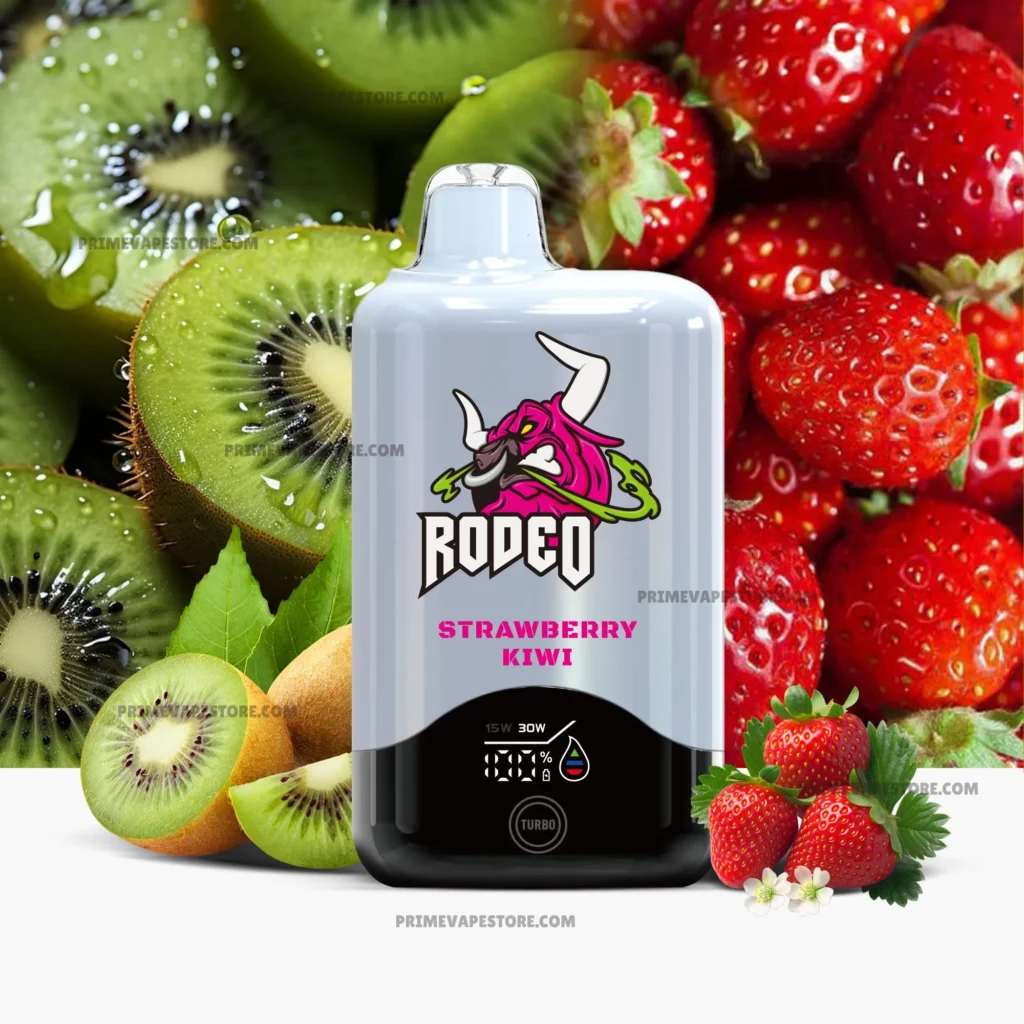

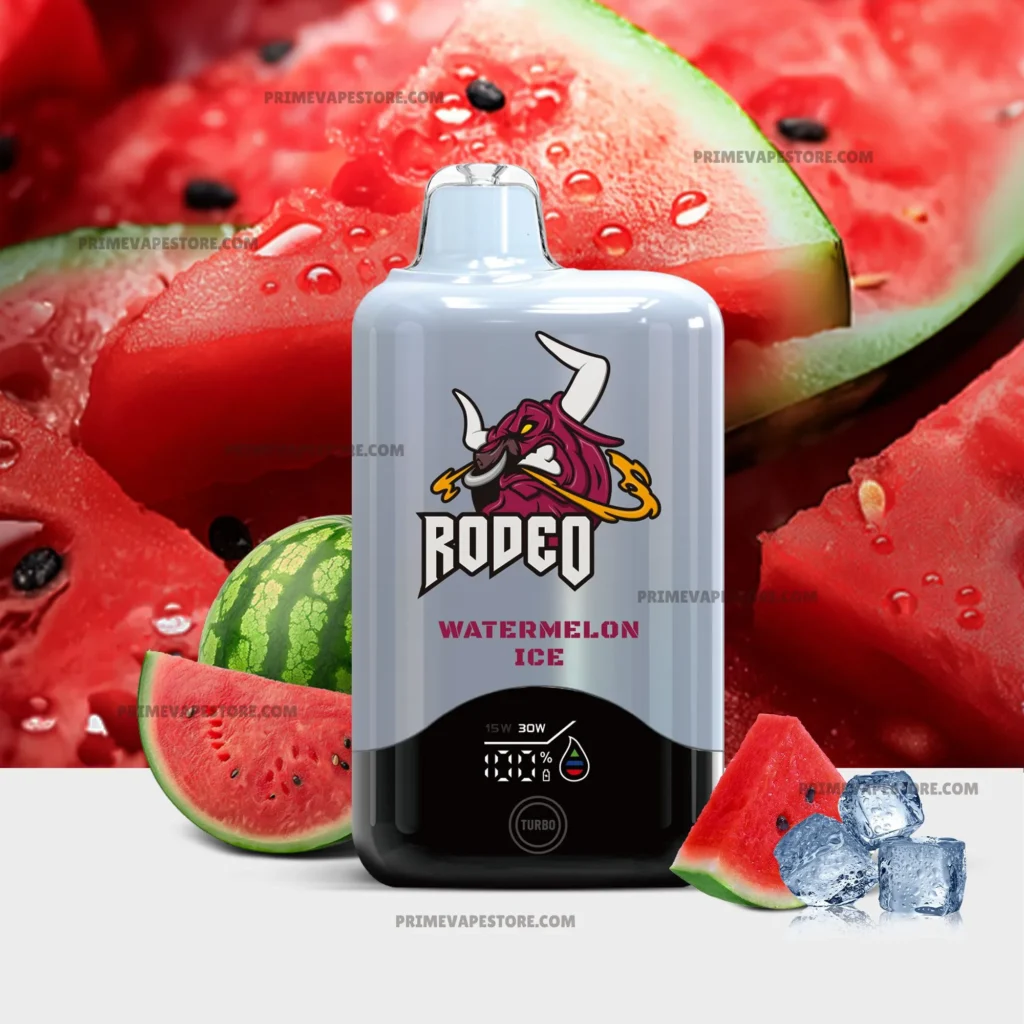
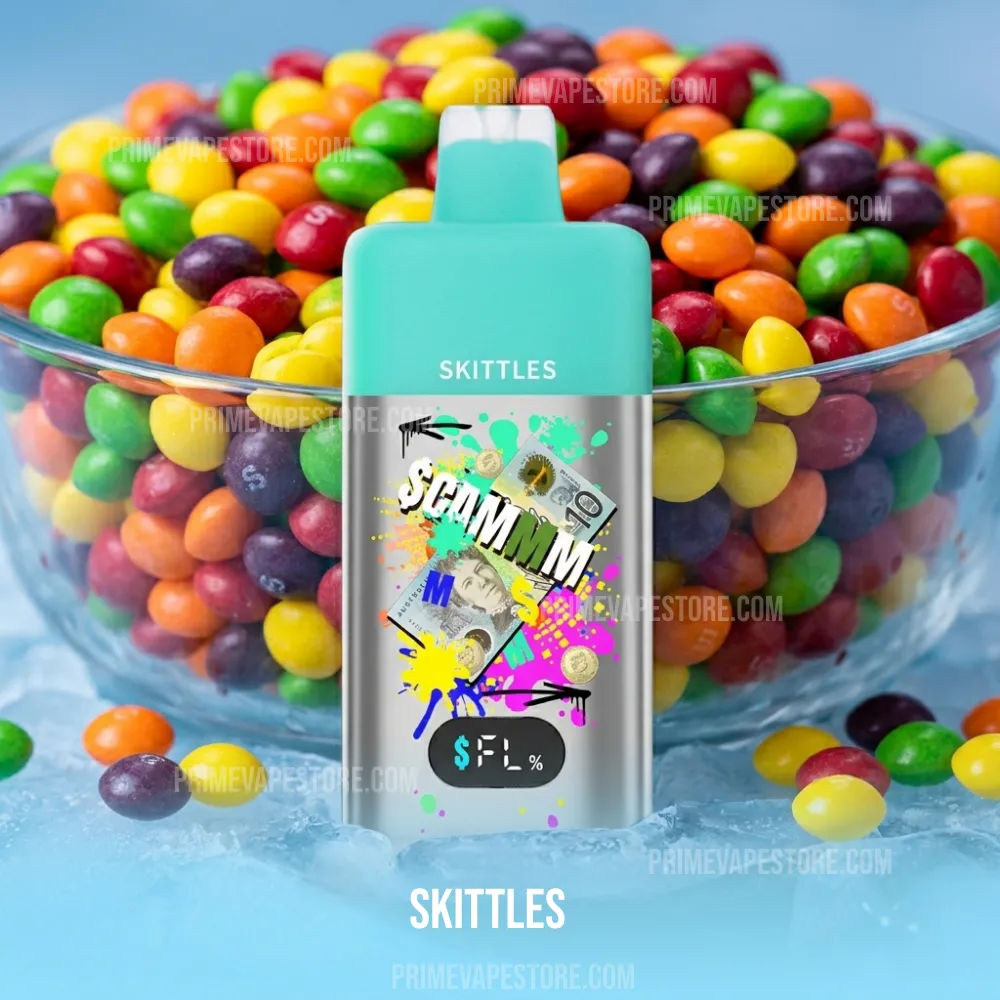

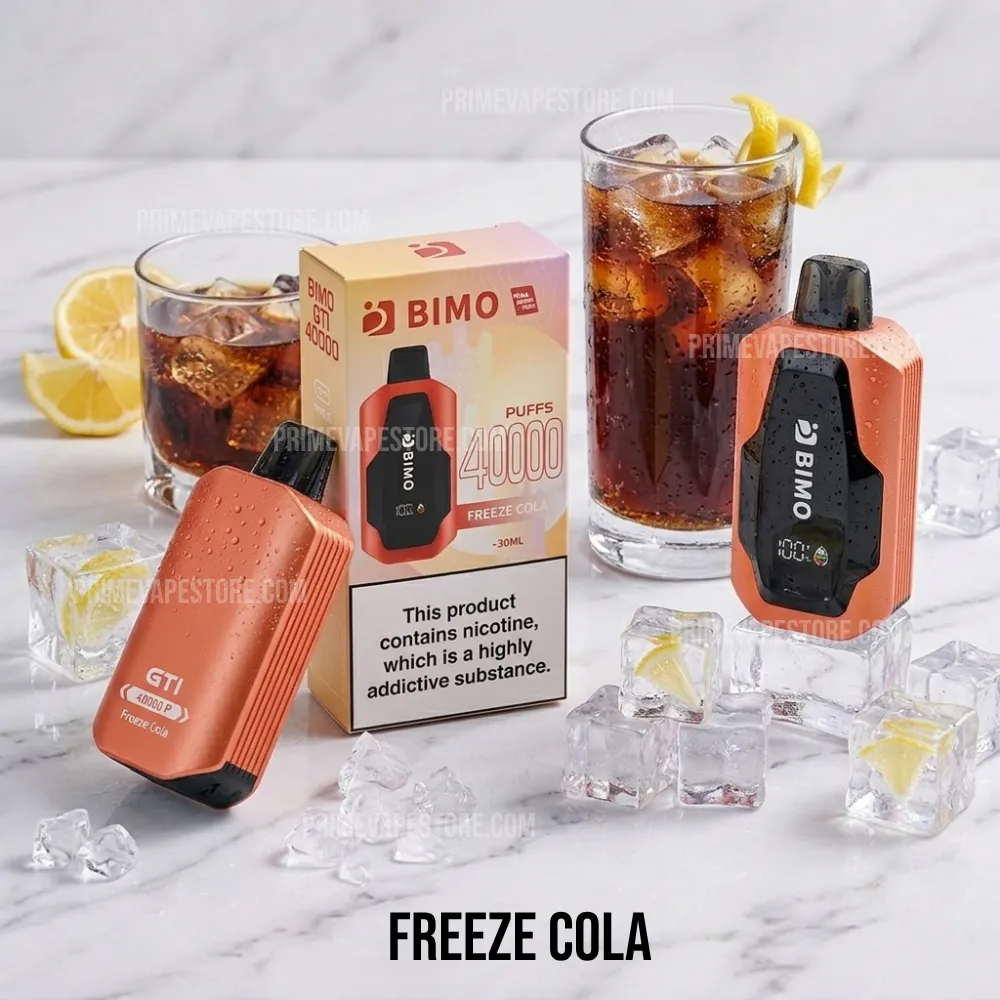
When you’re ready to explore more options, you can browse our main disposable vapes collection and look for devices that match your nicotine needs and risk profile.
8. Summary: Key Takeaways from the 2026 Disposable Vape Side Effects & Health Risks Guide
Disposable vapes may be more convenient than ever, but convenience does not erase risk.
Key points to remember:
- You are inhaling a mix of PG, VG, flavourings and nicotine, sometimes with trace metals from coils.
- Short‑term side effects can include dry mouth, cough, throat irritation, dizziness and palpitations.
- Long‑term concerns focus on lung health, cardiovascular strain and psychological dependence.
- High‑strength nic salt disposables make it easy to consume more nicotine than you realise.
- Black‑market and counterfeit products introduce extra, avoidable dangers.
If you choose to vape:
- Stay informed about what is in your device.
- Watch your body’s warning signs and be prepared to seek medical help.
- Consider reducing nicotine levels or moving to refillable, better‑quality hardware over time.
- Avoid unregulated products and buy only from trusted, adult‑oriented retailers.
This guide is for informational purposes only and does not constitute medical, legal or regulatory advice. Always follow local laws and consult qualified professionals for advice about your own health and nicotine use.