In 2026, disposable vape side effects and safety have become some of the most searched topics among adult vapers in Australia. From dry mouth and coughing through to dizziness, palpitations and battery scares, it’s more important than ever to understand what these devices actually do to your body.
As someone who has spent years testing disposable vapes and talking with adult smokers making the switch, I’ve seen the same pattern over and over again: people are overwhelmed by mixed messages online, and they don’t know which issues are normal teething problems – and which are serious warning signs.
This guide is written to give you clear, practical information – not scare tactics and not marketing spin.
Who This Guide Is For (and Not For)
- For: Adult smokers or vapers in Australia who already use nicotine and want to understand disposable vape side effects, health risks and safety best practices.
- Not for: Non‑smokers, minors, pregnant people, or anyone looking for personal medical diagnosis or treatment.
- If you do not currently smoke, the safest choice is not to start vaping at all.
This article is for informational purposes only and does not provide medical or legal advice. If you are worried about your health, always speak with a qualified healthcare professional and check official Australian guidance.
For a broader overview of devices, laws and flavours, you can also read our main hub: Disposable Vapes in Australia – Complete Guide (Flavours, Nicotine, Laws). If you’re still unsure whether disposables make sense for you at all, see Are Disposable Vapes Safe? Facts & Myths for Adult Smokers in Australia (2026).
This guide is written by Elias Vance, a vaping content specialist at Prime Vape Store. Over the years, I’ve personally tested hundreds of disposable devices – from low‑puff sticks to 25,000‑puff beasts – and spoken with many Australian smokers about how different products make them feel in the real world.
“E‑cigarettes are not risk‑free but are considerably less harmful than smoking.” — Public Health England evidence review
That quote sums up the harm‑reduction reality well. This guide will help you understand what those risks look like in day‑to‑day use – and how to reduce avoidable harm.
1. What Are You Actually Inhaling? The Anatomy of a Disposable Vape
Breaking Down the E‑Liquid
Every puff starts with a liquid mixture inside the device. In most modern disposables, e‑liquid is made up of:
- Propylene Glycol (PG) – carries flavour and provides throat hit
- Vegetable Glycerin (VG) – creates dense vapour clouds
- Food‑grade flavourings – fruit, dessert, menthol and complex blends
- Nicotine salts – the form of nicotine used in almost all high‑puff disposables
When properly manufactured, these ingredients are typically food‑grade or pharmaceutical‑grade. However, inhaling substances isn’t the same as eating them, and long‑term effects are still being studied.
“There is now international consensus that e‑cigarettes are substantially less harmful than conventional cigarettes but are not harmless.”— UK Government evidence review on vaping

Understanding what’s in your liquid helps you:
- Recognise PG‑related dryness (dry mouth/throat) vs nicotine side effects
- Avoid flavours or additives you might be sensitive to or allergic to
- Spot suspicious products with vague or incomplete ingredient lists
The Heating Process – No Tar, But Not “Just Water Vapour”
Inside a disposable, a small metal coil sits next to a cotton wick soaked in e‑liquid. When you inhale:
- The battery powers the coil.
- The coil heats rapidly.
- The liquid on the wick turns into an aerosol you inhale.
Key points:
- There is no combustion, so you are not inhaling tar or smoke as with cigarettes.
- However, the vapour is not just water – it’s a mix of PG, VG, nicotine, flavourings and small amounts of by‑products from heating.
According to the World Health Organisation (WHO), electronic nicotine delivery systems still expose users to chemicals and particulates that may carry health risks, especially over the long term.
Why Ingredient Transparency Matters
With regulated brands, you should be able to see:
- PG/VG ratios (e.g. 50/50, 60/40)
- Nicotine strength (e.g. 20 mg, 35 mg, 50 mg)
- Flavour name and sometimes key flavour notes
With counterfeit or black‑market devices, labels may:
- Hide or misrepresent ingredients
- Contain banned or untested flavouring chemicals
- Misstate nicotine strength (e.g. 5% printed but actual much higher or lower)
A big part of protecting yourself is simply refusing to use products that won’t tell you what’s inside.
If you enjoy complex flavour blends and want to understand them better, guides like our Alibarbar Flavour Roulette Guide 2026: Decoding FTP, WTF & More can help you decode what you’re tasting – and whether it suits your daily routine.
2. Short‑Term Disposable Vape Side Effects
It’s common for new or returning vapers to notice short‑term side effects. Some are relatively mild and manageable, others should not be ignored.
Throat and Mouth Issues
Common symptoms:
- Dry mouth and throat – PG and VG are hygroscopic (they draw moisture out)
- A scratchy sensation or mild soreness after long sessions
- Temporary loss of flavour perception (often called “vaper’s tongue”)
What to do:
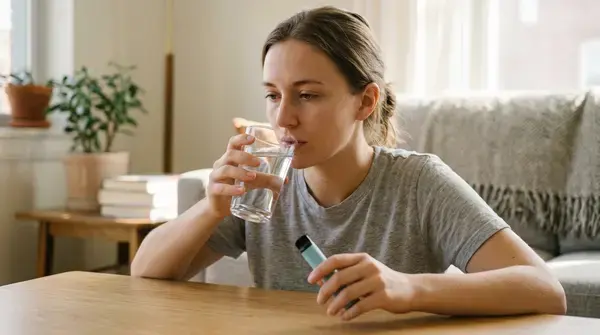
- Drink extra water throughout the day
- Take breaks between puffs
- Consider rotating flavours (menthol/ice can feel harsher for some people)
Respiratory Reactions for Beginners
First‑time users often report:
- Sudden coughing fits when they switch from smoking to vaping
- A feeling of tightness or “strangeness” when inhaling dense vapour
- Occasional shortness of breath after deep, repeated inhalation
In many cases, this is your lungs reacting to a new stimulus. Taking shorter, gentler puffs and starting with fewer sessions per day can help.
However, if coughing or breathing difficulty is persistent or severe, stop using all devices and seek medical advice. This guide cannot assess your individual health.
Nicotine‑Related Effects
High nicotine strengths or rapid use can cause:
- Dizziness or lightheadedness
- Headaches
- Nausea
- Racing heart or feeling “wired”
What to do if this happens:
- Put the device down immediately.
- Sit in a well‑ventilated area and breathe normally.
- Drink some water.
- Once you feel better, consider lowering your nicotine strength or spacing out your puffs.
If you regularly feel unwell after a few puffs, there’s a good chance your nicotine level is too high. For a structured approach to choosing the right strength, see How to Choose Nicotine Strength in Disposable Vapes (Australia 2026 Guide).
3. Symptom Quick‑Reference: What It Might Mean & What To Do
| Symptom | Possible Cause | What To Do |
|---|---|---|
| Dry mouth/throat | PG/VG dehydration, frequent use | Drink more water, take breaks, and avoid chain vaping |
| Coughing on each puff | Inhaling too deeply, new to vapour, high power | Shorter puffs, MTL style, lower wattage if possible |
| Dizziness, nausea, racing heart | Too much nicotine, high strength + rapid use | Stop immediately, rest, drink water, reduce nicotine strength |
| Burnt taste | Dry wick, low e‑liquid, chain vaping | Pause 20–30 seconds between puffs, don’t vape when nearly empty, replace device if burnt taste persists |
| Chest pain, severe shortness of breath, and an ongoing cough | Potential serious reaction or underlying condition | Stop all vaping and seek medical advice promptly |
This table is not a diagnostic tool. It’s a practical reference built from common experiences reported by adult vapers. Always discuss worrying or persistent symptoms with a healthcare professional.
For an in‑depth breakdown of symptoms and comfort levels, see our full Disposable Vape Side Effects & Health Risks Guide.
4. Long‑Term Vaping Health Risks & Common Myths
Lung Health and the “Popcorn Lung” Myth
One of the most persistent fears is “popcorn lung” (bronchiolitis obliterans). This condition was historically linked to diacetyl exposure in certain factory settings and some early e‑liquids.
Today:
- Reputable manufacturers in 2026 do not use diacetyl in compliant e‑liquids.
- Regulatory pressure has reduced its presence drastically.
“There is no clear evidence that vaping causes ‘popcorn lung’ in humans, but that does not mean e‑cigarettes are risk‑free.”— UK National Health Service (NHS)
Realistic concerns include:
- Possible irritation or inflammation from long‑term aerosol inhalation
- Potential exposure to metals from degrading coils in poorly made devices
As someone who has tested many disposables, I can say this: when a device tastes consistently burnt or metallic, that’s my sign to retire it immediately, not squeeze out “just a few more puffs”.

Cardiovascular Impact and Nicotine Dependence
Nicotine itself is a stimulant. It can:
- Raise heart rate and blood pressure in the short term
- Contribute to longer‑term cardiovascular strain, especially in people with existing heart conditions
The World Health Organization notes that nicotine is highly addictive and that reducing or stopping nicotine use is beneficial for heart health.
It’s important to understand:
- Even if vaping reduces some smoking‑related toxins, it can sustain nicotine dependence.
- For many adult smokers, disposables work best as a transition tool, not a permanent crutch.
Vaping vs Smoking in 2026: Harm Reduction, Not Harmless
Most public health bodies agree on two points:
“Switching completely from smoking to vaping is likely to reduce health risks, but dual use (smoking and vaping together) may offer little benefit.” — Australian Department of Health and Aged Care guidance on vaping
In plain language:
- Vaping is generally seen as less harmful than smoking for existing smokers.
- Vaping is not safe, especially for non‑smokers.
- The ideal endpoint for health is no nicotine and no inhaled products at all.
5. Device Safety: Battery Risks and Fake Vapes
Lithium‑Ion Battery Safety
Every disposable relies on a lithium‑ion battery, even if it’s not rechargeable.
Best practices:
- Don’t leave devices in hot cars or in direct sunlight
- Don’t charge with high‑wattage fast chargers if the device is rechargeable
- Stop using the device if it feels very hot, smells strange or behaves erratically
Australian consumer safety agencies and CASA (for air travel) consistently warn that lithium‑ion batteries can be dangerous if:
- Overheated
- Physically damaged
- Exposed to water or other conductive contaminants
The Hidden Dangers of Counterfeit Devices
Fake disposables are a serious problem in 2026. Counterfeit products may:
- Use untested e‑liquid with unknown ingredients
- Mislabel nicotine strength (too high or too low)
- Skip vital safety features like over‑time cut‑off and short‑circuit protection
In my own testing, counterfeit devices have been the least predictable: inconsistent draw, strange flavours, wildly varying nicotine hit – and in a few cases, terrifying hot spots near the battery.
How to Verify Authenticity
Before using a new disposable, always:
- Check for official holographic stickers
- Look for scratch‑off codes or QR codes
- Verify codes on the brand’s official website (be alert to minor domain misspellings)
If anything feels off:
- Do not use the device
- Dispose of it safely
- Consider contacting the retailer or manufacturer
Buying through curated ranges like our disposable vapes collection at Prime Vape Store significantly reduces the likelihood of receiving fake or unsafe hardware.

6. Best Practices for Safer Vaping in 2026
“If you choose to vape, minimising duration and intensity of use and avoiding dual use with tobacco is likely to reduce harm.” — Adapted from public health harm‑reduction guidance
Pacing Your Puffs and Intake
To reduce unpleasant side effects:
- Leave 20–30 seconds between deeper puffs
- Avoid chain vaping (multiple puffs back‑to‑back for minutes at a time)
- Set informal “vaping windows” instead of using the device constantly throughout the day
From my own experience and from speaking with customers, people who treat disposables as a constant companion tend to:
- Run into more side effects (dizziness, headaches)
- Finish devices much faster than expected
- Feel more “tethered” to nicotine than they intended
Hydration Habits for Vapers
Simple but underrated:
- Keep a water bottle nearby when you vape
- Take a few sips after each session
- Limit very dehydrating drinks (strong coffee, alcohol) when you’re vaping heavily
Staying hydrated can greatly reduce:
- Dry mouth and throat
- “Vaper’s tongue”
- Some irritation‑related coughing
Proper Storage and Disposal
Storage:
- Store devices upright where possible
- Keep away from heat and direct sun
- Don’t leave them in cars or pockets with coins/keys that could damage them
Disposal:
- Do not throw devices into regular household rubbish if you can avoid it
- Use e‑waste or battery recycling points recommended by your council
- If you’re unsure, contact your local council for advice on disposing of e‑cigarette waste
Strict Adherence to Age Restrictions
Vaping products are strictly for adults only. Responsible retailers in Australia use:
- Age‑gates on websites
- Digital age‑verification tools
- ID checks on delivery were required
Never share or supply disposables to minors. Keeping your devices locked away from children and teens is a fundamental part of safe use.
7. Choosing High‑Quality, Authentic Vapes in Australia
Why Vendor Trust Matters
In a rapidly growing market, who you buy from can be as important as what you buy.
Trusted Australian vendors:
- Source products through official distribution channels
- Follow TGA and Department of Health guidance
- Provide clear product descriptions (nicotine, puff count, key safety features)
At Prime Vape Store, we curate our disposable vape collection specifically for adult vapers in Australia. We focus on:
- Genuine brands like Alibarbar and IGET
- Clear labelling of nicotine strength and puff counts
- Detailed product info so you’re not left guessing how strong or long a device might last
Reliable Starting Points for Beginners
If you’re relatively new to disposables:
- Start with moderate puff counts and lower to mid nicotine strengths
- Avoid the most powerful dual‑mesh Turbo devices until you understand your tolerance
- Choose simple, draw‑activated devices over complex multi‑button hardware
For tailored suggestions, guides such as Best Alibarbar Vapes for Beginners in Australia (2026 Guide) can help you narrow down options.
Comparing Trusted Brands
When comparing brands like Alibarbar, IGET, HQD and others, look beyond flavour and marketing:
- How consistent is the flavour from the first puff to the last?
- Does the device leak or taste burnt quickly?
- Are safety features (child‑lock, over‑time cut‑off) clearly documented?
For a deeper comparison of how brands stack up, including long‑term performance and build quality, articles like “Alibarbar vs HQD: The Ultimate Showdown for Aussie Vapers in 2026“ can offer extra context.
8. Genuine Devices for Adult Vapers in Australia
If you’ve read this far, you’re already doing more than many people ever do: you’re actively trying to understand the risks and make smarter choices.
If you decide that disposable vapes are the harm‑reduction tool you want to use, where you buy them from matters as much as which flavour you pick.
At Prime Vape Store, we:
- Stock only genuine, brand‑name devices from trusted manufacturers
- Clearly list puff counts, nicotine strengths and key hardware features on every product page
- Focus on adult Australian vapers who want transparent information, not hype
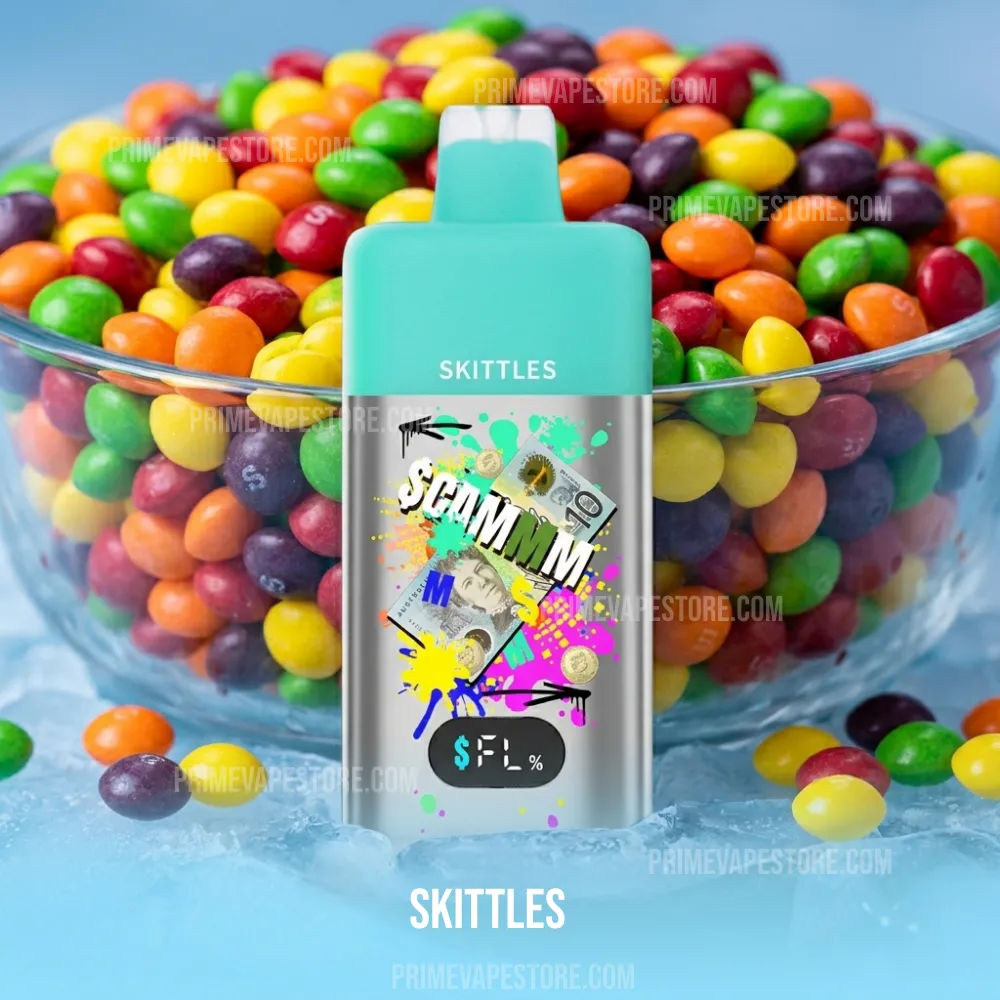
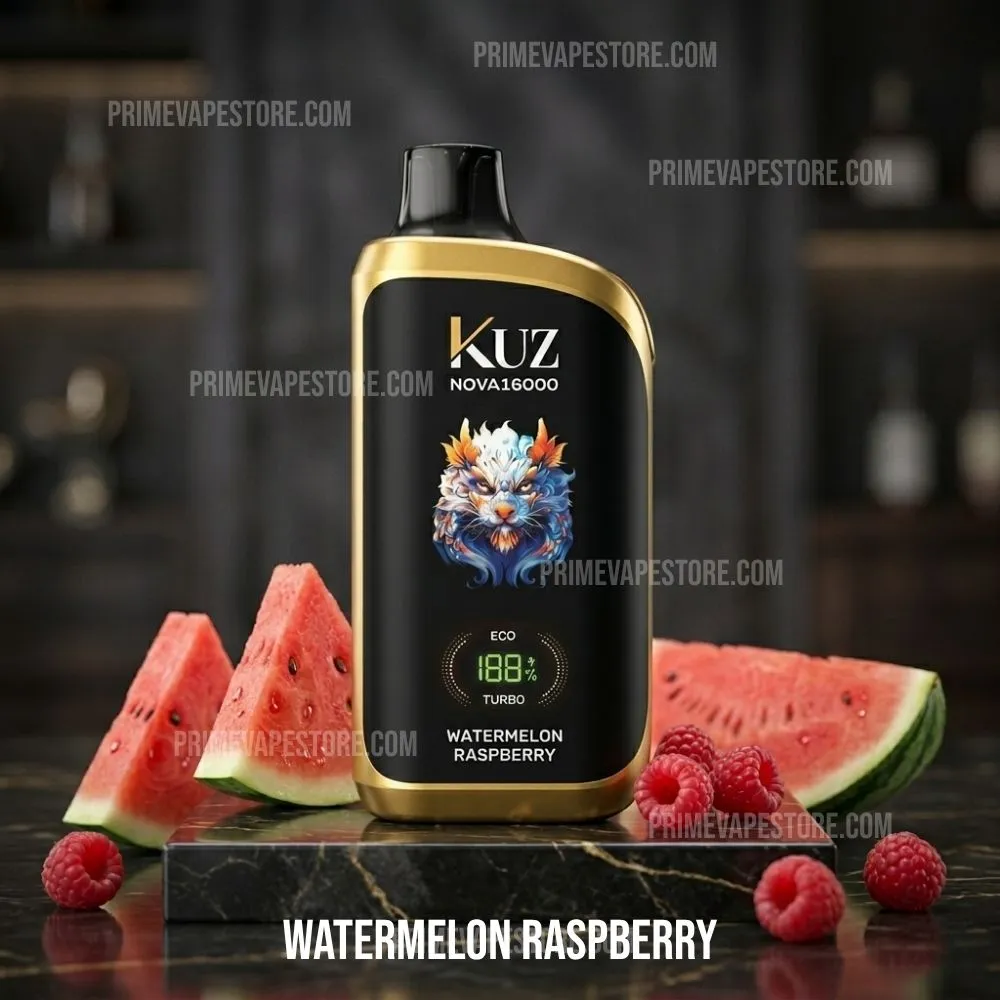
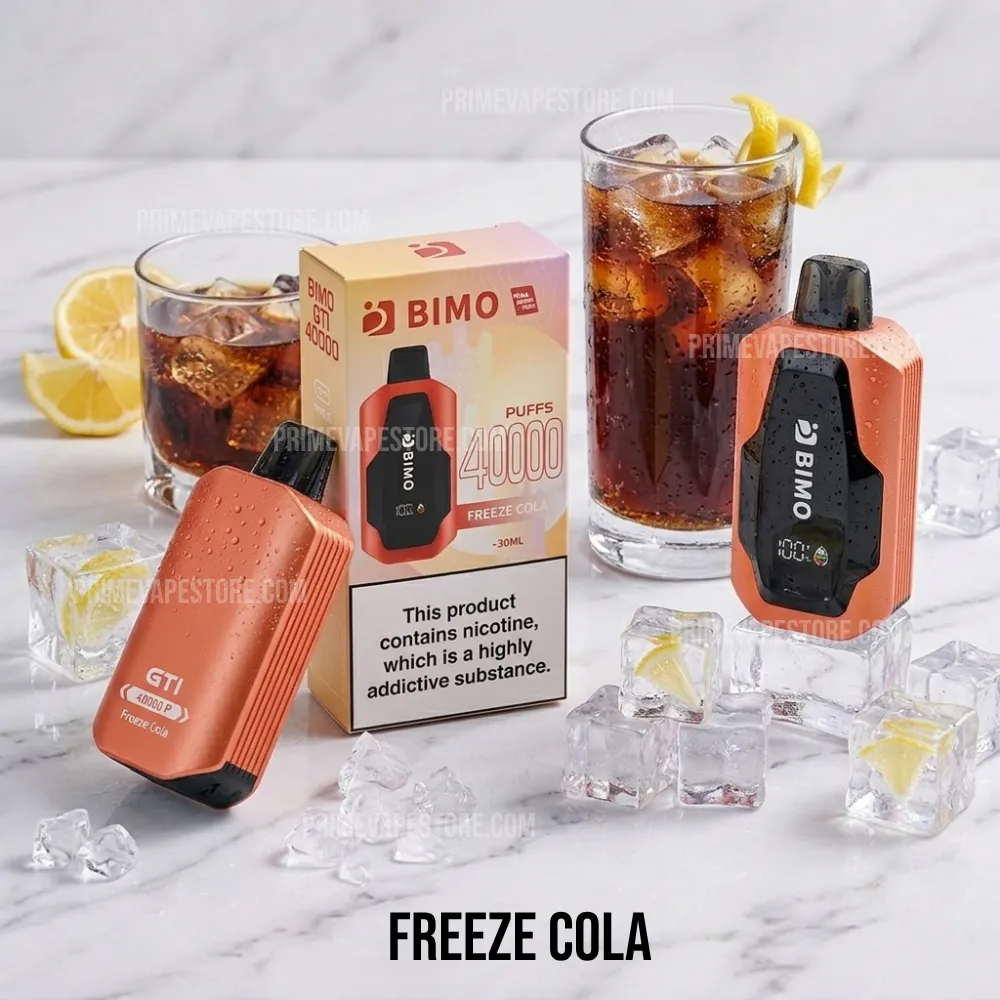
Below is a short list of best‑selling disposable vapes our customers regularly choose – covering different puff counts and nicotine levels so you can compare what might suit your routine:
When you’re ready to explore more options, you can:
- Browse the full disposable vapes collection for adult vapers in Australia
- Dive into brand pages like Alibarbar and IGET to see everything each manufacturer offers
- Use filters in our nicotine‑strength disposable vapes collection (where available) to see devices within your preferred strength range
9. FAQ: Disposable Vape Side Effects & Safety (2026)
Are disposable vapes safe for adult smokers in Australia?
Disposable vapes are not completely safe, but for existing adult smokers who switch completely, they may be less harmful than combustible cigarettes. They remove tar and many combustion by‑products but still deliver nicotine and other chemicals with unknown long‑term effects. Always seek medical advice before making major changes to your nicotine use.
What are the most common short‑term side effects?
The most commonly reported effects include dry mouth, mild throat irritation, coughing (especially early on), headaches and occasional dizziness or nausea when using high nicotine strengths. These are usually signs of dehydration, inhaling too deeply, or consuming too much nicotine too quickly.
Can disposable vapes damage my lungs?
Vaping avoids tar from combustion but still exposes your lungs to aerosols and chemicals. Long‑term effects are still being studied. Current evidence suggests that, for smokers who switch completely, vaping is likely less harmful than continued smoking, but it is not harmless, especially for non‑smokers.
How do I know if my nicotine strength is too high?
Signs include headaches, dizziness, nausea, feeling overstimulated or having a racing heart after only a few puffs. If this happens, stop, rest, drink water, and consider moving to a lower strength. Our guide How to Choose Nicotine Strength in Disposable Vapes explains this in detail.
Why does my disposable vape taste burnt?
A burnt taste usually means the wick isn’t fully saturated – often from chain vaping or using the device when the e‑liquid is nearly empty. Leave 20–30 seconds between puffs and avoid using the device when the flavour drops sharply. If the burnt taste persists from the first puff, stop using the device. For more details, see “Why Your Disposable Vape Tastes Burnt – Common Causes & Fixes (Australia 2026)“.
How can I spot a fake disposable vape?
Red flags include very low prices, poor print quality on packaging, missing holographic stickers or scratch‑off codes, and inconsistent performance. Authentic devices should have visible security features and verifiable codes on the manufacturer’s official website. Buying from trusted collections like our disposable vapes range reduces the risk substantially.
10. Final Thoughts
Disposable vapes are not a magic solution, and they are not risk‑free. But for adult smokers who are determined to stop burning tobacco, they can be a harm‑reduction tool – if used carefully, thoughtfully and with good information.
The key takeaways:
- Understand the ingredients and mechanics behind each puff
- Recognise short‑term symptoms and act early when something feels wrong
- Be realistic about long‑term risks, especially with nicotine and cardiovascular health
- Use your device safely – store it well, avoid heat, and respect battery warnings
- Buy only from reputable, adult‑focused retailers to avoid counterfeit risks
If you choose to vape, doing it with knowledge, caution and honesty about how you feel is the best way to protect yourself.
This article is for informational purposes only and does not constitute medical, legal, or regulatory advice. Always follow current Australian laws and consult qualified professionals regarding your health, nicotine use and compliance.