Are you tired of burnt taste, leaky pockets, or a “25,000‑puff” disposable dying after just a few days? You are not alone. In 2026, high‑puff disposable vapes dominate the Australian market – and most problems come from simple storage and usage mistakes.
Habits like chain vaping, leaving devices in hot cars, or using the wrong charger can quickly destroy coils and batteries. The good news: with a few easy changes, you can dramatically extend your device’s lifespan, save money, and enjoy much smoother flavour.
This guide is written for adult smokers and vapers in Australia who want to use disposable vapes more safely and effectively. It does not encourage vaping for non‑smokers or minors, and it does not replace medical or legal advice.
If you need a big‑picture overview first, you can read our main hub: Disposable Vapes in Australia – Complete Guide (Flavours, Nicotine, Laws). For safety concerns about disposables themselves, see Are Disposable Vapes Safe? Facts & Myths for Adult Smokers in Australia (2026).
This article is written by Elias Vance, a vaping content specialist focused on helping adult smokers make more informed, responsible choices.
Disclaimer: This article is for informational purposes only and does not constitute medical, legal, or aviation advice. Always follow Australian laws and airline regulations, and consult qualified professionals if you are unsure.
1. The Basics: How to Store and Use Disposable Vapes Properly
Mastering a Proper Puffing Technique
The way you inhale has a direct impact on coil health, flavour, and battery life.
Most standard disposables use single mesh coils around 1.0–1.2 Ω, optimised for:
Mouth‑to‑Lung (MTL) draws – similar to how you smoke a cigarette
With MTL:
- You draw vapour into your mouth first
- Then gently inhale it into your lungs
This style:
- Keeps the coil temperature under control
- Preserves flavour over thousands of puffs
- Improves battery efficiency
By contrast, Direct‑to‑Lung (DTL) pulls (long, deep, cloud‑chasing inhales) can:
- Overheat MTL‑optimised coils
- Cause harsh throat hit
- Burn the wick and shorten device life
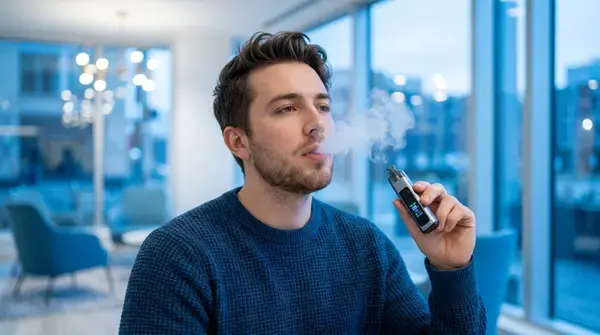
Stop Chain Vaping to Prevent Dry Hits
Chain vaping – taking repeated puffs with almost no pause – is one of the fastest ways to kill a coil.
Inside your device:
- The organic cotton wick holds e‑liquid
- Each puff vaporises the liquid that’s currently in that cotton
- The wick needs a few seconds to re‑saturate
If you hit the device again immediately:
- The cotton is still dry → you get a burnt taste and damage the coil
A simple rule that makes a big difference:
- Leave around 20–30 seconds between deeper puffs
This short rest:
- Let’s thick e‑liquid flow back into the wick
- Keeps flavour smooth
- Can double the practical lifespan of your disposable
If you constantly feel the urge to chain vape just to feel satisfied, the problem may be your nicotine strength rather than the device. In that case, read: How to Choose Nicotine Strength in Disposable Vapes (Australia 2026 Guide).
Managing Smart Power and Turbo Modes
Many 2026 devices now feature:
- Variable wattage (for example, 9–20 W)
- Turbo or Boost modes
- Dual mesh coils
These upgrades:
- Increase vapour and flavour
- Vaporise more e‑liquid per puff
- Make the same nicotine strength feel much stronger
Used correctly, Turbo and dual mesh are fantastic. Used carelessly, they:
- Drain the battery quickly
- Burn through liquid faster
- Can overheat the coil
Best practice:
- Use standard/regular mode most of the time
- Save Turbo mode for short sessions when you need a stronger hit
If you want to understand how puff counts tie into your usage, check How Many Puffs in Typical Disposable Vapes.
2. How to Store Disposable Vapes to Prevent Leaks and Auto‑Firing
Temperature Control: Your Device’s Biggest Enemy
Extreme temperatures – especially heat – are one of the worst things for disposable vapes.
Avoid:
- Leaving devices in a hot car, near windows, or in direct sunlight
- Storing devices close to heaters or other hot electronics
High heat can:
- Thin the e‑liquid, making it runny and prone to leaking through air vents
- Damage to the lithium‑ion battery increases the risk of swelling or venting
Very cold conditions can:
- Thicken e‑liquid too much
- Cause weak hits and potential dry hits
Best practice:
- Store your disposables in a cool, dry, indoor place
- Keep it out of direct sunlight whenever possible
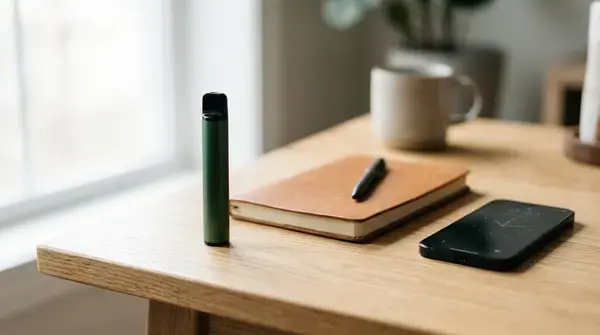
Always Store Upright
Gravity has a huge impact on how well your device behaves.
When you leave a vape lying flat:
- E‑liquid can pool on one side of the tank
- Parts of the wick may dry out → burnt hits
- Liquid can slowly travel up the central chimney → leaks through the mouthpiece
Storing your device upright:
- Keeps the wick evenly saturated
- Reduces the chance of leaking from the tip
- Helps ensure each puff tastes consistent
If you’ve had issues with leaks or uneven performance, simply changing to upright storage can fix a surprising number of problems.
Pocket and Bag Safety
How you carry your vape matters for both safety and longevity.
Avoid putting your device in pockets or bags with:
- Keys, coins, or other metal objects can block airflow or damage the body
- Lots of dust, sand, or crumbs can clog air inlets
Risks of poor pocket storage:
- Blocked airflow → the coil can’t cool properly
- Accidental auto‑fire if pressure triggers the draw sensor
- Metal objects near the charging port → potential short circuit
Safer options:
- Dedicate a clean, empty pocket for your vape
- Use a small carry case when putting it in a bag or backpack
If you notice repeated auto‑firing, abnormal heat, or flashing lights, stop using the device immediately. For a full list of warning signs and how to respond, see our Disposable Vape Side Effects & Safety Guide.
3. 2026 Airplane Rules: Traveling With Disposable Vapes
Follow Aviation Regulations Carefully
Airlines and regulators treat devices with lithium‑ion batteries very seriously.
General guidelines (always check your airline’s latest rules):
- Disposable vapes should be carried in hand luggage, not checked baggage
- Do not use or charge vapes on board unless explicitly allowed (usually not allowed)
The Australian Civil Aviation Safety Authority (CASA) and international regulators emphasise that:
- Battery incidents in the cabin can be managed by crew
- Incidents in the cargo hold are much more dangerous
Always:
- Declare your devices if requested
- Follow security screening instructions
For up‑to‑date rules, refer to CASA’s official guidance on lithium‑ion batteries on their website.
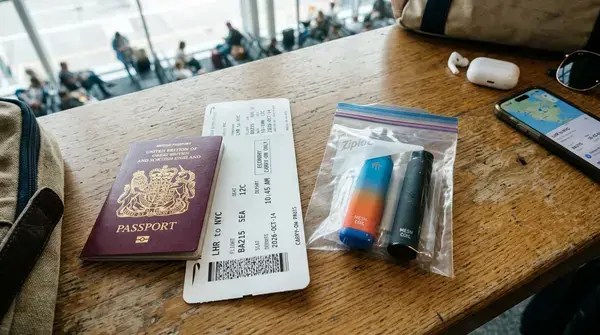
Cabin Pressure and Leaks
Even the best‑built disposables can leak a little during flights.
Why:
- As the plane climbs, cabin pressure drops
- Air inside the device expands and pushes e‑liquid out through the wick and chimney
To minimise mess:
- Store your vapes upright as much as possible
- Keep them inside a small, resealable plastic bag
- Expect a bit of condensation or liquid at the mouthpiece after landing
Practical Travel Tips
Before boarding:
- Make sure devices are switched off or locked if they have that feature
- Place them in a clear zip‑lock bag, upright if possible
After landing:
- Wipe the mouthpiece with a tissue
- Take a couple of short, gentle puffs to clear the chimney
- If the device seems flooded, follow the leak troubleshooting steps in section 5
For frequent travellers, it may be worth choosing more compact, travel‑friendly disposables from our disposable vapes collection and avoiding very large, heavy devices in hand luggage.
4. Safe Charging Practices and LED Light Meanings
Charging: Do’s and Don’ts
Rechargeable high‑puff disposables require specific power input for safe operation.
Do:
- Use a standard 5V–1A USB‑C charger or a low‑power USB port
- Unplug the device when it is fully charged
Don’t:
- Use fast‑charge adapters designed for laptops or high‑end smartphones
- Leave devices charging overnight on soft, flammable surfaces
Why this matters:
- Fast chargers push too much current into a small battery
- This can cause overheating, swelling, or faster battery degradation
- Over time, this reduces both safety and lifespan
Decoding LED Signals Safely
Most modern disposables use LEDs to show what is happening inside the device. While patterns vary by brand, a few general rules apply:
- Solid or slow‑blinking red → low battery, needs charging
- Blue or green light → normal operation
- Rapid continuous flashing → potential fault (short circuit, auto‑fire error, or internal issue)
If your device:
- Flashes rapidly without you inhaling, or
- Feels hot when you are not using it,
then:
- Stop using it immediately
- Place it on a non‑flammable surface
- Do not attempt to open or repair it yourself
If you frequently see error lights or odd behaviour, it may be safer to replace the device rather than push it further.
Built‑In Safety Features
Reputable brands now include multiple safety protections, such as:
- 10‑second over‑time cut‑off – stops power if the device is fired for too long
- Short‑circuit protection – prevents firing if there is a fault
- Over‑charge protection – on some rechargeable models
These features reduce risk, but they do not make any device completely fail‑proof. Basic safe handling and proper storage are still essential.
5. Troubleshooting Common Errors: Burnt Taste, Leaks and Spitback
Fixing a Burnt Taste
A burnt or “dry” taste usually means:
- The wick has dried out due to chain vaping, or
- The e‑liquid is nearly finished
Quick steps:
- Stop vaping for 20–30 seconds to let the wick re‑saturate.
- Gently resume with shorter, softer puffs.
- If the device has a screen or oil indicator, check if the liquid is almost empty.
If the burnt taste does not go away, the coil is likely permanently damaged. At that point, the safest solution is to stop using that device and switch to a new one.
For a deeper dive into why burnt hits happen and how to avoid them, see Why Your Disposable Vape Tastes Burnt – Common Causes & Fixes (Australia 2026).
Stopping and Fixing Leaks
Leaks are common but often fixable with simple steps.
If your device leaks due to heat or pressure:
- Wipe the mouthpiece and exterior with a dry tissue.
- Hold a tissue over the airflow vents at the bottom.
- Blow gently through the mouthpiece – this can push excess liquid out through the vents.
- Wipe any expelled liquid immediately.
- Store the device upright going forward.
If leaks keep happening despite proper storage, it may be a sign of faulty hardware or internal damage.
Fixing a Spitting Vape
Spitback – hot droplets hitting your tongue – usually happens when:
- The chimney is flooded with liquid
- The coil is not vaporising fast enough
To fix it safely:
- Hold the device over a tissue.
- Gently flick it downwards a few times to clear excess liquid from the chimney.
- Take a short, gentle puff to check if the vapour feels normal again.
- Avoid over‑drawing too forcefully on MTL devices.
Keeping the battery reasonably charged also helps the coil heat quickly and vaporise liquid more cleanly.
6. Brand‑Specific Care: Alibarbar and IGET
IGET Operational Tips
Popular IGET series for Australian vapers often include:
- Child‑lock functions (e.g., 5‑click activation)
- Modes like Regular and Turbo are indicated by different LED colours
Typical guidelines:
- Unlock the device by pressing the button 5 times quickly (if applicable)
- Expect auto‑lock after a period of inactivity (often ~10 minutes)
- Use Turbo mode sparingly to conserve battery and puff, count
For a full range of IGET devices tailored to adult smokers, explore our IGET disposable vapes collection.
Alibarbar Maintenance and Smart Features
Many Alibarbar devices are built as premium high‑puff options, with features like:
- Hidden LED smart screens to show oil and battery levels
- Adjustable airflow dials for cooling (e.g., from Low to Extreme Ice)
- Powerful dual mesh configurations on top‑end models
Best practices:
- Regularly check the screen (if available) to avoid vaping on an empty tank
- Adjust airflow gradually – extreme cooling can make nicotine feel stronger
- Use Turbo or performance modes in moderation to preserve total puff count
To compare models and see detailed specs, visit our Alibarbar disposable vapes collection.
Authenticity Checks and Safety
Unfortunately, the Australian market has seen counterfeit disposables pretending to be big brands.
Always:
- Check for holographic stickers and scratch‑off authenticity codes
- Verify codes on official manufacturer websites (watch for typo domains)
- Be cautious of prices that seem too good to be true
Buying through curated ranges like our disposable vapes collection greatly reduces the risk of receiving unsafe, unregulated hardware.
7. FAQ: How to Store and Use Disposable Vapes Properly (2026)
How should I store my disposable vape to stop it from leaking?
Keep it in a cool, dry place, away from direct sunlight or heat, and always store it upright. Avoid leaving it in hot cars or near windows. If you travel by air, keep it in a small zip‑lock bag to contain any minor leakage from pressure changes.
Why does my disposable vape taste burnt after just a few days?
Most of the time, burnt taste comes from chain vaping or using the device when the liquid is nearly empty. Your wick dries out faster than it can re‑saturate, so the coil starts to burn cotton instead of liquid. Take longer breaks between puffs and stop using the device once the flavour drops sharply.
Can I take disposable vapes on a plane in Australia in 2026?
In most cases, you can carry disposable vapes in your hand luggage, but not in checked baggage. They must remain switched off and should not be used or charged on board. Always check your airline’s latest policies and local regulations before flying.
Is it safe to leave my disposable vape in a hot car?
No. High temperatures can thin e‑liquid, causing leaks, and can damage lithium‑ion batteries, increasing the risk of swelling or venting. It is much safer to take your device with you or store it in a cooler indoor location.
What charger should I use for my rechargeable disposable vape?
Use a standard 5V–1A USB‑C charger or a low‑power USB port. Avoid high‑wattage fast chargers designed for laptops or flagship phones, as they can push too much current into the small battery and shorten its lifespan.
What do the flashing lights on my disposable vape mean?
It depends on the brand, but generally, red often means low battery, blue or green indicates normal operation, and rapid continuous flashing warns of a fault or short circuit. If you see persistent flashing and the device feels hot or behaves oddly, stop using it and dispose of it safely.
8. Conclusion: Get More From Every Puff
Using high‑puff disposable vapes in 2026 does not have to mean leaks, burnt taste, or wasted money. With a few simple habits, you can dramatically improve your experience:
- Use gentle MTL puffs instead of aggressive DTL pulls
- Avoid chain vaping – give the wick time to re‑saturate
- Store devices upright, away from heat and direct sun
- Follow safe charging practices with 5V–1A chargers
- Treat warning lights and unusual heat as serious safety signals
If you’re ready to put these tips into practice with regulated, brand‑name hardware, explore our curated disposable vapes collection at Prime Vape Store. You’ll find leading brands like Alibarbar and IGET, with clear information on puff counts, nicotine strength and key safety features, so you can choose confidently.
And if you’re still working out your ideal nicotine level or wondering how many puffs you really need per day, don’t miss:
- How to Choose Nicotine Strength in Disposable Vapes (Australia 2026 Guide)
- How Many Puffs in Typical Disposable Vapes
Used thoughtfully, disposables can be a more controlled option for adult smokers. As always, if you have health concerns or complex medical conditions, speak with a qualified healthcare professional before making changes to your nicotine use.
This article is for informational purposes only and does not constitute medical, legal, or regulatory advice. Always follow Australian laws and airline regulations, and consult qualified professionals regarding your health and nicotine use.